Cannon Beach is one of the most beloved small towns on the Pacific Coast—beautiful shoreline scenery, a walkable village center, and a relaxed but polished atmosphere. It's special because the town itself is charming enough to linger in, while the coast outside town is genuinely world-class.
Natural Setting
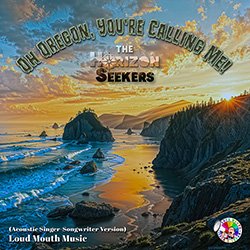
Cannon Beach sits on the Oregon Coast, famous for its dramatic sea stacks and broad sandy shoreline. The iconic landmark is Haystack Rock, one of the most photographed coastal features in the country, with excellent tidepool viewing and seabird activity in season.
Nearby, Ecola State Park offers classic Oregon coastal hiking—forest trails opening to cliffside viewpoints that make the coastline feel epic. Recreation here is exactly what travelers want: beach walks, tidepooling, photography, hiking, scenic drives, biking, and wildlife viewing (especially seabirds and marine life). Sunsets here are consistently unforgettable.
Historical, Economic & Cultural Importance
Cannon Beach's importance is primarily cultural and economic as a flagship Oregon Coast destination—one that has maintained a quaint, high-quality town center rather than turning into a generic beach strip.
The downtown is wonderfully browseable: boutiques, galleries, coffee shops, sweet shops, casual and upscale dining, and plenty of places to linger after a windswept beach walk. Cannon Beach is the definition of "scenic + strollable," which makes it perfect for your Spotlight category.

 Joseph is a small mountain-and-lake town with a creative spirit—art galleries, a beautiful setting, and access to one of Oregon's most striking alpine landscapes. It's special because it feels both scenic and cultured: you get real mountain grandeur plus a downtown that's genuinely fun to explore.
Natural Setting
Joseph sits near Wallowa Lake and the Wallowa Mountains, often called the "Alps of Oregon." The setting is dramatic: blue water, steep peaks, and wide, open skies that make the whole area feel bigger than you expect.
This region offers excellent recreation: hiking, boating, paddling, fishing, scenic drives, wildlife viewing, and photography. It's a dream for landscape photographers—lake reflections, mountain silhouettes, and golden-hour light that makes the peaks glow.
Historical, Economic & Cultural Importance
Joseph has deep ties to regional ranching and frontier history, but its modern identity has also become strongly arts-driven. The town is known for its galleries, artisan culture, and creative community, which gives it cultural weight beyond its size.
Downtown has a delightful mix of art shops, boutiques, cafés, coffee spots, and strong local restaurants, plus that relaxed "mountain town that cares about aesthetics" feel. It's a destination pick that still functions as a gateway to big alpine scenery.

 Sisters is a small but remarkably versatile mountain town with an Old West-style downtown, a lively arts-and-festival culture, and one of the best locations in Oregon for exploring dramatically different landscapes in a single trip. It's special because it sits at a natural crossroads: from Sisters, you can quickly reach alpine wilderness, lava country, high desert, rivers, lakes, ponderosa forests, scenic byways, ski slopes, and the larger recreation-and-dining hub of Bend. It feels charming and compact on its own, yet it opens outward into one of the richest adventure regions in the Pacific Northwest.
Natural Setting
Sisters lies at the foot of the Cascade Range and takes its name from the Three Sisters volcanic peaks that rise to the west. That mountain backdrop gives the town an immediate sense of grandeur, but what makes the setting especially compelling is its variety. This is a place where forest, mountain, meadow, lava terrain, and high desert all feel close at hand rather than spread far apart.
The town works beautifully as a base camp for exploring Central Oregon's changing geography. To one side are the Cascades, wilderness trails, mountain lakes, and evergreen forests; to another are drier open spaces, volcanic formations, and the sunlit expanses that give the high desert its distinct character. That contrast is part of what makes Sisters so memorable: you are not limited to one kind of scenery or one style of recreation.
Outdoor opportunities are extensive. Nearby you'll find hiking, mountain biking, fishing, paddling, camping, scenic drives, Nordic and alpine winter recreation, horseback experiences, and excellent photography in every season. Suttle Lake, Hoodoo Ski Area, the surrounding national forest lands, and the broader mountain-and-river corridor all add to the sense that Sisters is much bigger in experience than it is in population.
It is also well positioned for day-tripping. Bend is close enough to expand your options for dining, breweries, shopping, and additional recreation, while the nearby scenic drives and mountain corridors make it easy to build a trip around lakes, volcanic landscapes, waterfalls, rivers, or ski terrain. Sisters is one of those rare small towns that feels peaceful and self-contained, yet never isolated.
Historical, Economic & Cultural Importance
Sisters has roots in frontier settlement, ranching, and timber, and for much of its early history it was closely tied to the lumber industry. The city notes that extensive pine forests helped support sawmills in and around town, and by 1930 Sisters was primarily known as a lumber-producing community; it was incorporated in 1946. As logging declined and the last local mill closed in the 1960s, the town gradually evolved into something more tourism-, culture-, and recreation-oriented.
That transition is a big part of Sisters' identity today. It has managed to keep a strong Western character while also becoming an arts-minded destination with unusually high cultural visibility for a town of its size. Travel Oregon describes it as a vibrant, artsy community with 1880s-style facades and small-town ambience, and that combination really defines the place: it is both themed and authentic, charming and active, nostalgic and creative.
Culturally, Sisters punches well above its weight because of its signature events. The town is especially well known for the Sisters Rodeo, a major longstanding tradition often called "The Biggest Little Show in the World," and for the Sisters Outdoor Quilt Show, widely promoted as the world's largest outdoor quilt show. The Sisters Folk Festival adds another dimension, giving the town a strong live-music and roots-culture identity as well. These events help make Sisters not just a scenic stop, but a place with a real annual rhythm and a recognizable cultural profile across Oregon and beyond.
Downtown is part of the appeal. Sisters offers the kind of main street that visitors genuinely want to wander: Western-style storefronts, galleries, boutiques, cafés, restaurants, local shops, and a polished but relaxed atmosphere. It has enough activity to feel like a destination town, but it still retains the scale and friendliness people hope for in a smaller community.
Why Sisters Stands Out
What makes Sisters especially appealing is that it does several things well at once. It is a scenic mountain town, an arts-and-events town, a Western heritage town, and a practical gateway to a much larger Central Oregon playground. You can spend time browsing shops and cafés in town, drive into volcanic or alpine scenery, fish or paddle nearby waters, head toward Bend for a broader urban-style outing, or use Sisters as a launch point for a deeper regional road trip. That range gives it a broader appeal than many small towns that are known mainly for one attraction or one landscape type.
In that sense, Sisters is less a single-stop attraction than a beautifully situated hub—one that blends mountain beauty, Western identity, artistic energy, and Central Oregon accessibility into a town that feels both inviting and strategically placed for exploration.


 Back to Best Small Towns in America








.jpg)