
"Tahoe's Spell©"
Lyrics by M. S. McKenzie (Unless Otherwise Noted) | Music Performed by Songs Across America or American Storyteller Music, All Songs Are Protected by Copyright
Hyper-follow Link
Hyper-follow Link
Hyper-follow Link
Hyper-follow Link
~ Associated State Links ~
[ CA Home Page | CA Gallery Page || NV Home Page | NV Gallery Page ]
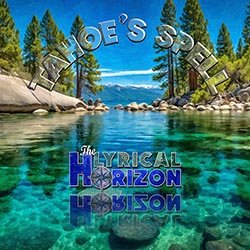
"Tahoe's Spell"
Why I Wrote This Song
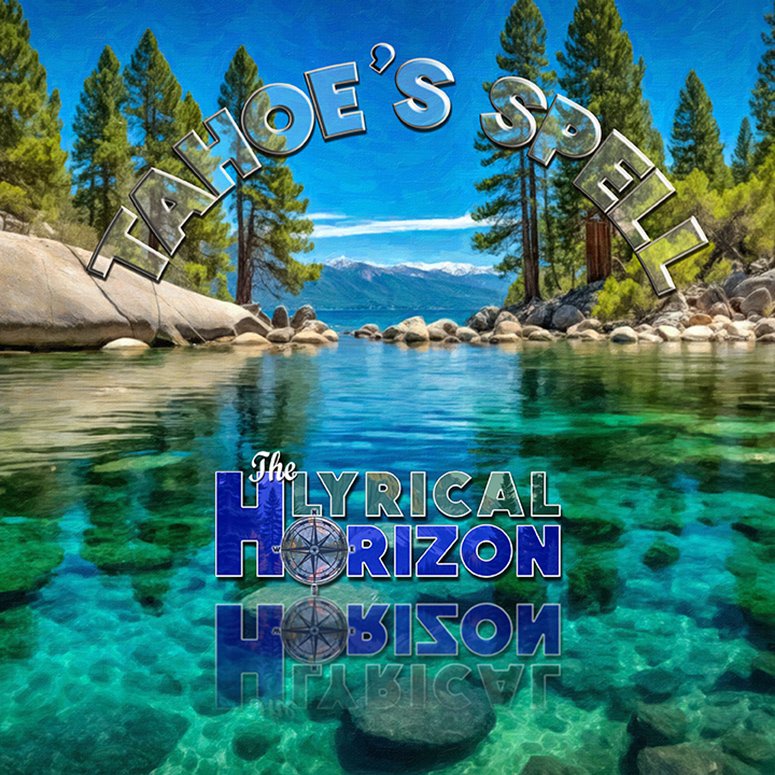
I wrote "Tahoe's Spell" as a tribute to a lake that genuinely changes with every season and somehow stays exactly itself through all of them. Summer days of endless wonder when kayaks slide by with ease, autumn flames of red and amber, winter's covers so pure and silent, spring awakens hidden blooms, and I wanted the song to move through the full year rather than freeze the lake in just one postcard moment.
The story behind the song is the phrase this sacred place has drawn me back to seek its heart once more, because Tahoe is one of those places people don't visit once, they return to across a whole lifetime, in every season, for different reasons each time. I wanted the song to feel like it belonged to someone who has actually done that, watched the lake through every kind of light rather than just admired it on a single summer afternoon.
What I care about most is the closing claim, Tahoe's spell has captured me within its timeless embrace, because I wanted spell to be the operating word for the whole song. This isn't simple scenic appreciation. It's something closer to enchantment, sapphire depths and diamond peaks holding onto a person the way only the most sacred places do. Songs Across America has plenty of songs about beautiful lakes. This one is for the lake that becomes a permanent part of whoever keeps coming back to it.
Genre:
Lush, choral folk ballad built on layered vocal harmonies and a sweeping, reverent chorus, structured as a year-long journey through Tahoe's changing seasons and shorelines.
Theme:
The changing seasons of Lake Tahoe, a sacred place returned to across a lifetime, enchantment rather than simple scenic appreciation, and the timeless pull of a beloved landscape.
Primary Subject:
Lake Tahoe in full, across all four seasons, from Zephyr Cove and Bonsai Rock to Emerald Bay.
Mood:
Enchanted, reverent, and deeply devoted throughout.
Core Message:
Some places don't just offer scenery, they cast something closer to a spell, changing through every season while somehow staying exactly themselves, and drawing the same person back across an entire lifetime to seek their heart again and again.
Original Lyrics by M.S. Mckenzie, All Rights Reserved
[Intro: Instrumental]
[Verse 1: low background choir vocals]
Sunrise crystal waters where mountains stand so tall
Morning mist like silver veils that gently rise and fall
A gentle breeze crosses the lake, calling my name today
Golden sunlight dances on the waves in such sweet display
Ancient spirits whisper through the trees along the shore
This sacred place has drawn me back…
…to seek its heart once more
Its beauty stays with us…
…long after we've left its shores
[Chorus: layered vocals]
A place of placid waters, and unspoken dreams
With sapphire depths and diamond peaks, so supreme
Azure-blue vistas are nestled deep within Sierra's crown
While emerald shores and cobalt waters are dancing all around
Here the sacred mountain shadows gently kiss the primal shore
Each precious ripple tells a thousand tales and so much more
Delightful breezes and scenic beaches, your beauty we adore
[Verse 2:]
Summer days of endless wonder when kayaks slide by with ease
Autumn flames of red and amber dance among the trees
Winter's covers so pure and silent blankets the mountaintops
While spring awakens hidden blooms as melting snowpack drops
Changing seasons paint Tahoe’s canvas with their timeless grace
Each unique yet perfect vision…
…of this treasured place
Tahoe's spell has captured me…
…within its timeless embrace
[Break: layered choir vocals]
[Verse 3:]
Zephyr Cove at golden sunset, where colors paint the sky
And Bonsai Rock stands ancient sentinel as eagles soar on by
There’s Emerald Bay's enchanted waters that shimmer like a dream
Island castle tells subtle stories in a tranquil, fading scene
One glimpse of your majestic glory, the heart is bound for life
A spell that weaves its memory…
…through times of joy and strife
Those who've seen your shores return…
…their spirits ever rife
[Chorus: layered vocals]
A place of placid waters, and unspoken dreams
With sapphire depths and diamond peaks, so supreme
Azure-blue vistas are nestled deep within Sierra's crown
While emerald shores and cobalt waters are dancing all around
Here the sacred mountain shadows gently kiss the primal shore
Each precious ripple tells a thousand tales and so much more
Delightful breezes and scenic beaches, your beauty we adore
[Outro: Instrumental]
Song Description
“Tahoe’s Spell” is a lush, atmospheric tribute to Lake Tahoe and the emotional hold it can exert on those who experience its extraordinary combination of alpine scenery, clear water, mountain light, beaches, forests, and changing seasons. The song treats Tahoe not simply as a scenic destination but as a place of return, memory, and almost spiritual attachment.
The title is especially effective because “spell” can be understood in several ways. It suggests enchantment, fascination, memory, and a power that remains active even after the traveler has gone. Tahoe’s beauty does not end at the shoreline. It follows the narrator afterward, drawing him back and shaping how he remembers the place.
The song’s language consistently reinforces that idea. The lake is described through sapphire, cobalt, azure, emerald, silver, gold, amber, and diamond imagery, giving the landscape the quality of something precious and almost otherworldly. Yet the song never loses its grounding in real features such as Zephyr Cove, Bonsai Rock, Emerald Bay, seasonal snowpack, beaches, kayaks, forests, and mountain ridges.
The instrumental introduction should establish a spacious, luminous atmosphere. Soft piano, acoustic guitar, low strings, and distant choral textures would suit the song particularly well. Because the first verse specifies low background choir vocals, the opening could feel almost ceremonial, as though the landscape is gradually revealing itself at sunrise.
The choir should remain subtle rather than overtly religious. Its purpose would be to give the lake a sense of scale, stillness, and reverence.
The first verse begins with crystal water at sunrise while mountains rise around the basin. This immediately establishes Tahoe’s defining visual contrast: deep water enclosed by high Sierra terrain.
The morning light is described with delicacy rather than drama. Mist rises like silver veils, creating a soft transition between water and sky.
The veil metaphor is especially appropriate because mist both conceals and reveals. The landscape appears gradually rather than all at once.
The breeze crossing the lake and “calling my name” introduces the song’s personal connection. Nature becomes almost conversational. The narrator does not simply admire Tahoe from a distance. He feels summoned by it.
The golden sunlight dancing on the waves creates movement and warmth. The lake is not presented as a static postcard. Light changes constantly across the surface, and those shifting reflections make the water appear alive.
The reference to ancient spirits whispering through the trees adds a deeper, more contemplative dimension. It suggests that the shoreline carries memory beyond the narrator’s own experience.
This can be understood poetically as the accumulated presence of Indigenous history, natural history, earlier travelers, and generations of people who have felt connected to the basin. The phrase works best as an expression of reverence rather than as a literal claim about specific spiritual traditions.
The line “This sacred place has drawn me back” is central to the song. It establishes that the narrator has been here before and that Tahoe exerts a continuing pull.
The return is not casual tourism. He comes back “to seek its heart once more,” suggesting that each visit reveals something different.
The lake has a “heart” because the narrator experiences it as more than scenery. Its emotional center lies somewhere in the combination of water, mountains, silence, memory, and personal meaning.
The final lines of the verse state the song’s thesis directly: Tahoe’s beauty remains long after departure.
This lasting impression is the true spell. The traveler leaves physically, but the sensory memory remains.
The chorus expands the visual language considerably.
“A place of placid waters, and unspoken dreams” gives the lake both stillness and mystery.
The dreams are unspoken because Tahoe inspires feelings that may be difficult to articulate fully. The visitor may think about freedom, escape, belonging, love, renewal, or simply the desire to remain.
The phrase “sapphire depths and diamond peaks” creates a jewel-like contrast between blue water and snow-covered or sunlit mountains.
Sapphire suggests depth and richness, while diamond suggests brilliance and sharpness. The lake and mountains become complementary forms of beauty.
“Azure-blue vistas” and “emerald shores” continue this saturated color palette.
The richness is appropriate because Tahoe often appears almost unreal in clear weather. The combination of altitude, clear water, surrounding granite, forest, and changing light can create unusually intense color.
The line “nestled deep within Sierra’s crown” gives the basin a protected and regal quality. Tahoe becomes a jewel placed within the greater Sierra Nevada.
The mountains function as a crown surrounding the lake.
“Cobalt waters are dancing all around” reintroduces motion. Even when the lake appears placid, wind and reflected light continually alter its surface.
The phrase “sacred mountain shadows gently kiss the primal shore” is one of the song’s strongest poetic images.
“Primal shore” suggests something ancient, elemental, and untouched by ordinary time. The shadows touching it like a kiss soften the immense scale of the landscape.
The line also captures the daily movement of light across the basin. As the sun changes position, mountain shadows extend across beaches, trees, and water.
“Each precious ripple tells a thousand tales” returns to the idea of memory. Every movement on the lake becomes symbolic of all the histories associated with it.
Those stories may involve Indigenous peoples, settlement, travel, recreation, storms, winters, families, friendships, and personal experiences.
The chorus closes with breezes and beaches, bringing the song back from its elevated language to simple pleasure.
Despite all the sacred and jewel-like imagery, part of Tahoe’s appeal is straightforward enjoyment: air, water, shoreline, sun, and the pleasure of being outdoors.
The second verse organizes the lake through the four seasons, giving the song a broader temporal dimension.
Summer appears through kayaks gliding across the water. The movement is gentle, relaxed, and recreational.
Autumn brings red and amber, transforming the surrounding vegetation into a warmer palette.
The word “flames” is effective because autumn color seems to ignite the landscape without destroying it.
Winter is described as pure, silent, and blanketing the mountaintops.
The line “Winter’s covers so pure and silent blankets the mountaintops” appears to contain a grammatical overlap. A smoother version might be:
“Winter’s cover, pure and silent, blankets the mountaintops”
or:
“Winter’s snows, so pure and silent, blanket the mountaintops.”
The second option is especially natural.
Winter brings stillness and visual simplicity. Snow reduces the landscape to blues, whites, grays, and dark evergreens.
Spring then awakens hidden blooms as snowmelt begins.
This completes the seasonal cycle and emphasizes that Tahoe’s beauty is not limited to summer.
The lake changes continuously, yet each season creates a complete version of the place.
The phrase “Changing seasons paint Tahoe’s canvas” reinforces the song’s artistic imagery. Nature becomes painter, while the basin provides the canvas.
This idea connects naturally with the many color references throughout the lyric.
The final lines return to the title concept: Tahoe’s spell has captured the narrator within a timeless embrace.
The word “embrace” softens the idea of enchantment. The spell is not threatening or controlling. It is comforting.
The break with layered choir vocals would work very well after this verse because the seasonal progression already gives the song a broad emotional lift.
The choir could sustain a simple vowel or repeat a fragment of the title, allowing the music to breathe before the third verse.
The third verse becomes more geographically specific.
Zephyr Cove at sunset provides a warm, reflective setting.
The name itself works beautifully in a song because “Zephyr” suggests a soft breeze, linking the location to the recurring wind imagery.
The golden sunset there reinforces the lake’s changing palette.
Bonsai Rock appears as an ancient sentinel, giving the shoreline formation a watchful presence.
The word “sentinel” fits the song’s repeated tendency to personify natural landmarks as guardians.
Eagles passing overhead add vertical movement and a sense of freedom.
The song then moves toward Emerald Bay, one of Tahoe’s most recognizable scenic locations.
Its sheltered water and dramatic surrounding slopes create a more enclosed and intimate environment than the open lake.
The phrase “enchanted waters” directly reinforces the idea of Tahoe’s spell.
The water appears dreamlike, especially in changing light.
“Island castle tells subtle stories” likely refers to Fannette Island and its small Tea House ruin, which adds a human-made historical element within Emerald Bay.
Calling it a castle is poetic rather than literal, but it suits the song’s enchanted atmosphere.
The structure seems like a remnant from another story, adding mystery to the otherwise natural scene.
The “tranquil, fading scene” suggests sunset moving toward dusk. Once again, light is temporary, and part of the beauty comes from knowing that the moment will soon disappear.
The line “One glimpse of your majestic glory, the heart is bound for life” states the emotional impact clearly.
Tahoe creates loyalty almost immediately. A single powerful experience can become a lifelong attachment.
The spell then weaves memory through times of joy and strife.
This gives the song greater emotional depth. Tahoe is not remembered only during happy periods. Its image becomes a source of stability during difficult times as well.
A remembered landscape can function almost like an emotional refuge.
The final line, “Those who’ve seen your shores return”, reinforces the theme of recurrence.
Tahoe does not simply impress people once. It creates a desire to come back.
The phrase “their spirits ever rife” is less natural in modern English. “Rife” usually means widespread or abundant, often with a negative association.
A smoother alternative might be:
“Their spirits lifted into life”
or:
“Their spirits forever alive.”
Another lyrical option would be:
“Their spirits drawn to you for life.”
That last version fits the theme of return especially well.
When the chorus returns, all of its imagery now carries more meaning. The listener has experienced sunrise, seasons, Zephyr Cove, Bonsai Rock, Emerald Bay, wildlife, and memory.
The phrase “unspoken dreams” now feels less abstract. The dreams include returning, remembering, belonging, and holding onto the emotional clarity the lake provides.
Musically, “Tahoe’s Spell” would work especially well as a cinematic adult contemporary ballad, atmospheric folk-rock piece, or expansive orchestral soft-rock song.
The choir elements can give it a distinctive identity if used carefully.
The first verse could begin with piano, soft acoustic guitar, sustained strings, and low background choir.
The vocal should remain intimate and reverent.
The chorus should broaden considerably, with layered harmonies, fuller strings, warm bass, and steady drums.
The jewel-color imagery invites a lush harmonic arrangement.
The phrase “sapphire depths and diamond peaks” could receive a rising melodic line, while “emerald shores and cobalt waters” might move with a more flowing rhythm.
The second verse could introduce subtle changes in instrumentation to reflect the seasons.
Summer might use light acoustic rhythm, autumn warmer strings, winter sparse piano and choir, and spring brighter upper-register instrumentation.
These changes should remain integrated rather than sounding like separate sections.
The choir break could be one of the song’s signature moments.
Layered voices could sustain the title phrase or a wordless harmony, creating the feeling of sound carrying across open water.
The third verse should feel warmer and more intimate around Zephyr Cove and Emerald Bay.
A melodic violin, saxophone, or clean electric-guitar line could accompany the sunset imagery.
The final chorus should be the fullest version, with stronger layered vocals and a broad cinematic lift.
The outro could return to the instrumental theme from the introduction.
A soft piano or guitar melody could remain while strings and choir gradually fade, leaving the impression of the lake at dusk.
At its heart, “Tahoe’s Spell” is a song about the way extraordinary places become emotionally permanent.
The narrator does not simply remember Tahoe’s scenery.
He carries it.
Its colors, winds, shorelines, seasons, and mountains become part of his inner landscape.
The song also understands that attachment to a place can deepen through repetition.
The first visit creates wonder.
Later visits create recognition.
Eventually, the landscape becomes part of personal history.
Tahoe’s spell is therefore not supernatural in a literal sense.
It is the cumulative power of memory, beauty, return, and belonging.
“Tahoe’s Spell” is both a scenic tribute and a meditation on why certain landscapes stay with us long after we leave them.
Its deepest message is that a place can become more than geography.
It can become a refuge in memory, a marker of time, a source of renewal, and a quiet promise that beauty still exists somewhere beyond the noise of everyday life.
Tahoe casts its spell not by holding the traveler there, but by making the traveler want to return.












Featured Songs


.jpg)

Leave a Tip