"Guided by The Sun©"
Lyrics Co-written by Kevin Amon & M. S. McKenzie
Performed by American Storyteller Music, Protected by Copyright




~ Associated State Links ~
"Guided by The Sun"
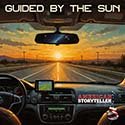
I wrote "Guided by the Sun" as a New Year's song for people who need an ending before they can believe in a beginning. Salt air around the porch light, soft as a vow, first gulls over Hampton Roads, circling now, a year exhales into the Atlantic tide, and I wanted the whole song to feel like that exact moment of release, driving from Richmond's rear-view regrets out toward the open horizon of the Chesapeake.
The story behind the song is the honesty in the second verse, we name what we've carried, we bless what we've learned, and forgive what was broken and the bridges we've burned. I did not want a song about a fresh start that skipped over what actually needed forgiving first. Real renewal, to me, requires naming the hard year honestly before you're allowed to let it go, not simply declaring it over.
What I care about most is the chorus's image, let the old days drift off like a boat from the pier, because I wanted the letting go to feel physical and specific rather than abstract. Songs Across America has plenty of songs about arriving somewhere new. This one is about the harder, necessary act that has to happen first, actually releasing what came before.
Reflective, uplifting coastal folk-pop built on a gentle, releasing chorus, structured as a drive from Richmond out to the Virginia coastline as the year turns over.
Year-end release and renewal, honest reckoning as a prerequisite for moving forward, the Chesapeake and Virginia Beach coastline as a place of letting go, and forgiveness of both others and ourselves.
Primary Subject:
A person releasing a hard year's burdens while driving from Richmond out to the Chesapeake Bay and Virginia Beach at year's end.
Mood:
Reflective and weary at the opening, deepening into honest release, and closing on hopeful, sunlit renewal.
Real renewal requires honestly naming what we're carrying before we're allowed to let it go, and once we do, releasing it can be as simple and physical as watching a boat drift off from the pier.
[Intro]
Salt air around the porch light, soft as a vow
First gulls over Hampton Roads, circling now
A year exhales into the Atlantic tide…
…we let it go, with nothing to hide
[Verse 1]
We look in the rear view mirror
As another chapter of life is gone
We set our eyes upon the horizon
Hoping for a better and brighter dawn
Past the James where the water turns wide
Through the Midtown Tunnel, out toward the tide
Streetlights fade as the shoreline appears
And the wind off the Chesapeake quiets our fears
[Chorus]
Let the old days drift off like a boat from the pier
Let the new days roll in all shiny and clear
From the Chesapeake blue to the Virginia Beach sand
We’re turning the page with an open hand
If the storm wrote lines we don’t need to keep
We’ll leave them behind in the ocean deep
Then rise with the sun, when the night is done
Seeking renewal and guided by the sun
[Verse 2]
Another year waves goodbye to parts of our past
Where memories set in and our thoughts are cast
Time folds up and sits in our memory banks
Sharing those memories that give hope and thanks
Down by Back Bay where the reeds bow low
And the quiet water teaches the heart to slow
We name what we’ve carried, we bless what we’ve learned
And forgive what was broken and the bridges we’ve burned
[Chorus]
Let the old days drift off like a boat from the pier
Let the new days roll in all shiny and clear
From the Chesapeake blue to the Virginia Beach sand
We’re turning the page with an open hand
If the storm wrote lines we don’t need to keep
We’ll leave them behind in the ocean deep
Then rise with the sun, when the night is done
Seeking renewal and guided by the sun
[Verse 3]
Closing the book on another year as it departs
Leading to stronger beginnings and brand new starts
Seeking a new life out of the ashes of the old one
And finding those moments that are guided by the sun
So we stand where the ocean meets the land
By Cape Henry’s light and that wide open strand
Watch the waves erase what we thought we were
And write us again:steadier…prouder…surer…
[Chorus]
Let the old days drift off like a boat from the pier
Let the new days roll in all shiny and clear
From the Chesapeake blue to the Virginia Beach sand
We’re turning the page with an open hand
If the storm wrote lines we don’t need to keep
We’ll leave them behind in the ocean deep
Then rise with the sun, when the night is done
Seeking renewal and guided by the sun
[Chorus repeated]
Let the old days drift off like a boat from the pier
Let the new days roll in all shiny and clear
From the Chesapeake blue to the Virginia Beach sand
We’re turning the page with an open hand
If the storm wrote lines we don’t need to keep
We’ll leave them behind in the ocean deep
Then rise with the sun, when the night is done
Seeking renewal and guided by the sun
[Outro]
New footprints on the shoreline, nothing to prove
Just a gentler rhythm, and room to move
The past can be honored, then set free:
Like a tide returning to the sea
“Guided by The Sun” is a coastal-renewal song that uses Virginia’s tidewater geography as a disciplined emotional metaphor: grief and change are not dramatized as explosive turning points, but as something the ocean teaches you to do:release, return, begin again. The lyric’s strength is its steadiness. It does not chase catharsis through heartbreak spectacle; it builds a quiet, mature optimism by treating renewal as a practice: naming what happened, blessing what remained, and walking forward without pretending the past did not matter.
The intro sets the tone with a gentle ritualism. “Salt air around the porch light, soft as a vow” immediately fuses domestic intimacy (porch light) with vastness (salt air), suggesting the song’s central balance: private emotion against an indifferent, healing seascape. “First gulls over Hampton Roads” places us in a working-waterway reality, not an abstract beach postcard. And the line “A year exhales into the Atlantic tide… we let it go, with nothing to hide” frames the entire narrative as an end-of-year release, but one grounded in honesty rather than denial. “Nothing to hide” implies this is not escapism; it is acceptance.
Verse 1 is built like a drive toward clarity. The opening couplet:rearview mirror, chapter gone:uses familiar renewal imagery, but it is strengthened by the way it quickly becomes local and physical. The path “Past the James where the water turns wide / Through the Midtown Tunnel, out toward the tide” reads like a literal itinerary from interior complexity to open horizon. The Midtown Tunnel reference is particularly effective because it is a transitional space:enclosed, echoing, liminal:mirroring the emotional passage from a year’s weight to the possibility of a “brighter dawn.” When “streetlights fade as the shoreline appears,” the lyric turns the city’s artificial glow into something that yields to natural light, reinforcing the song’s philosophy: true renewal comes not from distraction, but from stepping into something larger than your problems. “The wind off the Chesapeake quiets our fears” is one of the song’s key moves:fear doesn’t vanish; it quiets. The lyric understands incremental healing.
The chorus carries the song’s thesis with clean, vivid metaphor. “Let the old days drift off like a boat from the pier” is gentle but pointed: letting go is depicted not as throwing something away, but as watching it recede:still real, still visible for a while, but no longer held. “Let the new days roll in all shiny and clear” uses the ocean’s rhythm as a timekeeper: change arrives the way waves arrive:reliably, repeatedly, without needing your permission. The geographic line “From the Chesapeake blue to the Virginia Beach sand” functions as a bridge between two identities: protected waterway to open coast, shelter to exposure. “Turning the page with an open hand” is a subtle line of maturity. The open hand suggests release rather than grip, and also a willingness to receive what comes next.
The chorus’s most nuanced emotional mechanism is the “storm wrote lines we don’t need to keep” image. It acknowledges hardship (“storm”) without specifying it, which makes the song broadly adoptable while still feeling true. The act of “leav[ing] them behind in the ocean deep” reframes pain as something that can be returned to nature:digested, diluted, transformed:rather than something that must be carried indefinitely. The hook phrase “rise with the sun” is not triumphalist. It’s routine. It implies the work is done daily, and that’s why it is believable.
Verse 2 deepens the reflective tone by moving from travel to contemplation. “Another year waves goodbye” keeps the ocean language integrated, but the more interesting lines are about how memory is handled: “Time folds up and sits in our memory banks / Sharing those memories that give hope and thanks.” The lyric does not treat memory as a trap; it treats it as a repository:something you can visit with intention. The pivot to “Back Bay where the reeds bow low” is a smart geographic shift. Back Bay is quieter, more marsh-like and contemplative than the open ocean, and the lyric uses that ecology to teach emotional pacing: “the quiet water teaches the heart to slow.” This is the song’s emotional method stated plainly:slow down, name things.
Then the verse delivers its most psychologically mature couplet: “We name what we’ve carried, we bless what we’ve learned / And forgive what was broken and the bridges we’ve burned.” “Bless” and “forgive” are deliberate verbs. They suggest a spiritual or moral dimension to renewal:an ethics of moving forward. The bridges line carries guilt and regret, but it refuses self-punishment; it treats the past as something to be acknowledged and released, not endlessly litigated.
Verse 3 is the culmination, and it wisely avoids overreach. “Closing the book… stronger beginnings… brand new starts” could risk cliché, but it is redeemed by the imagery that follows: “stand where the ocean meets the land / By Cape Henry’s light and that wide open strand.” Cape Henry is not just a landmark; it’s a literal navigational aid, which aligns perfectly with the title’s idea of being “guided.” The lighthouse reference adds a layer of symbolism without straining for it: guidance as steadiness, as fixed light amid shifting water. The line “Watch the waves erase what we thought we were / And write us again:steadier…prouder…surer…” is the song’s signature moment. It expresses identity change not as reinvention for reinvention’s sake, but as refinement. “Steadier” is an adult goal. “Prouder” suggests regained self-respect. “Surer” is confidence earned, not performed.
The repeated choruses emphasize the song’s cyclical philosophy. This is not a “one-and-done” transformation; it’s the repetition of release, the rehearsal of hope. The repetition also mimics the wave action the lyric keeps invoking:language returning, like tide, to make its point through recurrence.
The outro lands beautifully because it refuses a grand ending. “New footprints on the shoreline, nothing to prove” is the final corrective to so many modern self-help narratives. The song is not about winning; it’s about easing. “Just a gentler rhythm, and room to move” suggests healing as spaciousness:less pressure, fewer clenched fists. And the closing couplet:“The past can be honored, then set free: / Like a tide returning to the sea”:is the thesis in its most elegant form. The past is not denied; it is honored. But it is not worshiped. It is returned.
As a story, “Guided by The Sun” works because it merges specific Virginia coastal markers (Hampton Roads, the James, Midtown Tunnel, Chesapeake, Back Bay, Cape Henry, Virginia Beach) with universal emotional practices (naming, blessing, forgiving, releasing). The geography isn’t decorative; it’s instructional. The water teaches pace. The tunnel teaches transition. The lighthouse teaches steadiness. The sun teaches renewal. And the most resonant nuance is that the lyric understands a hard truth: you don’t erase the year:you let it go, honestly, and you walk into the next one with an open hand.













.jpg)