American Spotlight On: Great American Disasters
(Greatest Disasters, Tragedies, Riots, Massacres, and National Turning Points)
America's history is filled with moments of courage, reinvention, and resilience, but it is also marked by catastrophes that changed the nation's laws, cities, public health systems, infrastructure standards, environmental policies, labor protections, emergency management practices, and understanding of civil rights. Some were natural disasters. Others were wars, pandemics, industrial accidents, engineering failures, terrorist attacks, political violence, riots, massacres, and man-made ecological crises.
The following list is arranged in chronological order. Casualty figures, injury totals, and cost estimates should be understood as historical estimates, especially for older events where records were incomplete, suppressed, disputed, or measured differently by different historians. For some disasters, the financial cost is impossible to calculate fully because the damage extended beyond property loss into public health, migration, social trauma, environmental ruin, civil rights, and long-term national policy.
Menu:
- The War of 1812
- The American Civil War
- New York City Draft Riots
- Memphis Massacre
- New Orleans Massacre
- Orange Riots
- Great Chicago Fire and Peshtigo Fire
- The Children's Blizzard
- The Great Blizzard of 1888
- Johnstown Flood
- Galveston Hurricane
- 1906 San Francisco Earthquake and Fire
- Atlanta Race Riot / Atlanta Race Massacre
- Triangle Shirtwaist Factory Fire
- 1918 Influenza Pandemic
- Great Boston Molasses Flood
- Red Summer Riots and Massacres
- Tulsa Race Massacre / Greenwood District Massacre
- Tri-State Tornado
- Great Mississippi Flood of 1927
- Great Okeechobee Hurricane
- Stock Market Crash, Great Depression, and Dust Bowl
- Hindenburg Disaster
- Attack on Pearl Harbor
- Detroit Race Riot of 1943
- Texas City Industrial Disaster
- Great Appalachian Storm
- Watts Riots
- Silver Bridge Collapse
- Detroit Riot / Detroit Rebellion of 1967
- Buffalo Creek Flood
- Blizzard of 1978
- Three Mile Island Accident
- Mount St. Helens Eruption
- Hyatt Regency Walkway Collapse
- Exxon Valdez Oil Spill
- Los Angeles Riots / Los Angeles Uprising
- Storm of the Century
- Oklahoma City Bombing
- September 11 Attacks
- Hurricane Katrina
- Virginia Tech Shooting
- Deepwater Horizon Oil Spill
- Hurricane Harvey
- Pulse Nightclub Shooting
- Hurricanes Irma and Maria
- Las Vegas Shooting
- COVID-19 Pandemic
- Attack on the U.S. Capitol
- Hurricane Ian
•••
1. The War of 1812
Quick Facts:
- Type of disaster: War / national military crisis.
- Date disaster occurred: June 18, 1812, to February 17, 1815.
- Location of disaster: United States, Canada, Great Lakes, Atlantic coast, Gulf Coast, and at sea.
- Estimated number of lives lost and people injured: Approximately 15,000 American deaths from all causes, including battle deaths, disease, accidents, and other wartime losses. Roughly 4,500 American troops were wounded. Total losses across all sides are difficult to calculate.
- Estimated total cost of disaster: Unknown or incalculable. Direct fiscal costs reached many millions of dollars at the time, while long-term economic disruption, trade losses, frontier destruction, and military costs would amount to billions in modern terms.
The War of 1812 was one of the first great national crises faced by the young United States. It grew out of maritime grievances, British interference with American shipping, the impressment of American sailors, trade restrictions during the Napoleonic Wars, and violent conflict along the frontier. The war exposed the military weakness and political divisions of the young republic, especially as the United States struggled to defend a vast coastline and a long, unstable border with British Canada.
Although later remembered through patriotic symbols such as "The Star-Spangled Banner," the war included humiliating disasters, including the British burning of Washington, D.C. in August 1814. Federal buildings, including the Capitol and the President's House, were set ablaze. The war ended without major territorial changes, but it strengthened American nationalism, hardened the U.S.-Canadian border, devastated many Native communities, and demonstrated the enormous costs of weak national preparedness.
For further, more in-depth reading, please click on the following external link:
•••
2. The American Civil War
Quick Facts:
- Type of disaster: War / national rupture / humanitarian catastrophe.
- Date disaster occurred: April 12, 1861, to April 9, 1865.
- Location of disaster: Nationwide, with major combat across the South, border states, and portions of the North.
- Estimated number of lives lost and people injured: Common estimates range from approximately 620,000 to 750,000 deaths. Hundreds of thousands more were wounded, disabled, displaced, widowed, orphaned, or otherwise permanently affected.
- Estimated total cost of disaster: Incalculable. Direct war spending, destroyed infrastructure, lost labor, medical costs, pensions, agricultural devastation, emancipation's economic transformation, and long-term regional damage make a single total inadequate.
The American Civil War remains the deadliest conflict in United States history. It was a military disaster, a constitutional crisis, a moral reckoning, and a humanitarian catastrophe rooted in slavery and the violent attempt to preserve it through secession. Entire communities were shattered by battles, disease, amputations, prison camps, hunger, and grief.
The destruction went far beyond the battlefield. Railroads were torn up, farms were burned, cities were damaged, families were divided, and the economy of the South collapsed. The abolition of slavery was a moral necessity and one of the most important liberating events in American history, but the failure to fully secure Reconstruction left wounds that shaped the next century and still influence the nation today.
For further, more in-depth reading, please click on the following external link:
•••
3. New York City Draft Riots
Quick Facts:
- Type of disaster: Riot / racial violence / wartime civil unrest.
- Date disaster occurred: July 13 to July 16, 1863.
- Location of disaster: Manhattan, New York City, New York.
- Estimated number of lives lost and people injured: Historical estimates commonly range from approximately 100 to 120 deaths, though the true number may be uncertain. Hundreds were injured.
- Estimated total cost of disaster: Approximately $1.5 million in 1863 property damage, with a much larger modern equivalent.
The New York City Draft Riots began as a violent protest against Civil War conscription, especially anger over a policy that allowed wealthier men to pay a commutation fee to avoid the draft. What began as class resentment quickly turned into racial terror. White mobs attacked Black New Yorkers, abolitionists, police, soldiers, draft offices, and public buildings.
Black residents were beaten, lynched, and driven from neighborhoods. The Colored Orphan Asylum was burned, though the children were saved. The riots exposed how the Civil War, immigration, labor competition, racism, and resentment toward emancipation could erupt into mass violence on the home front. Federal troops eventually suppressed the disorder, but the event remains one of the deadliest episodes of urban unrest in American history.
For further, more in-depth reading, please click on the following external link:
•••
4. Memphis Massacre
Quick Facts:
- Type of disaster: Massacre / racial violence / Reconstruction-era political violence.
- Date disaster occurred: May 1 to May 3, 1866.
- Location of disaster: Memphis, Tennessee.
- Estimated number of lives lost and people injured: Approximately 46 Black residents were killed, more than 75 were injured, and several Black women were raped. White casualties were far lower.
- Estimated total cost of disaster: Unknown. Black homes, churches, schools, and businesses were burned or destroyed.
The Memphis Massacre was one of the most important racial massacres of the early Reconstruction era. White mobs, including policemen and former Confederate soldiers, attacked Black residents in Memphis after tensions between white authorities and Black Union veterans escalated. Over three days, Black homes, churches, and schools were burned, and dozens of people were killed or injured.
The massacre shocked many Americans and helped reveal the violent resistance Black citizens faced after emancipation. Along with the New Orleans Massacre later that year, Memphis strengthened support in Congress for more aggressive Reconstruction policies and federal civil rights protections. It was not simply a local riot; it was part of a broader struggle over whether freedom after slavery would be protected by law or crushed by racial terror.
For further, more in-depth reading, please click on the following external link:
•••
5. New Orleans Massacre
Quick Facts:
- Type of disaster: Massacre / racial violence / political violence.
- Date disaster occurred: July 30, 1866.
- Location of disaster: New Orleans, Louisiana.
- Estimated number of lives lost and people injured: Approximately 35 to 50 people were killed, most of them Black citizens. More than 100 were wounded.
- Estimated total cost of disaster: Unknown.
The New Orleans Massacre occurred when Black citizens and white Republican allies gathered in support of a state constitutional convention that could expand voting rights and political protections for formerly enslaved people. White mobs, aided or tolerated by local police and officials, attacked the gathering at the Mechanics Institute and pursued victims through the streets.
The massacre became a turning point in national politics. It helped discredit President Andrew Johnson's lenient approach to Reconstruction and strengthened Radical Republican calls for federal intervention in the former Confederate states. Like Memphis, it demonstrated that emancipation alone did not guarantee freedom, safety, or citizenship without enforceable legal and political protections.
For further, more in-depth reading, please click on the following external link:
•••
6. Orange Riots
Quick Facts:
- Type of disaster: Riot / sectarian violence / urban civil unrest.
- Date disaster occurred: July 12, 1870, and July 12, 1871.
- Location of disaster: Manhattan, New York City, New York.
- Estimated number of lives lost and people injured: The 1871 riot was especially deadly, with more than 60 people killed and many more wounded. The 1870 riot caused additional deaths and injuries.
- Estimated total cost of disaster: Unknown.
The Orange Riots grew out of sectarian conflict between Irish Protestant Orangemen and Irish Catholics in New York City. Annual Orange Order parades commemorating Protestant victories in Irish history became flashpoints in a city already shaped by immigrant politics, religious division, poverty, and machine power.
The 1871 riot was particularly deadly after authorities allowed the parade to proceed under militia and police protection. Violence erupted along the route, and troops fired into crowds. The riots exposed deep religious, ethnic, and political tensions in post-Civil War New York and revealed how quickly public processions could become tests of power, identity, and authority in a crowded industrial city.
For further, more in-depth reading, please click on the following external link:
•••
7. Great Chicago Fire and Peshtigo Fire
Quick Facts:
- Type of disaster: Urban fire / wildfire / natural and man-made fire disaster.
- Date disaster occurred: October 8 to October 10, 1871.
- Location of disaster: Chicago, Illinois; Peshtigo, Wisconsin; and surrounding areas of the Upper Midwest.
- Estimated number of lives lost and people injured: Approximately 300 deaths in Chicago. The Peshtigo Fire killed between 1,200 and 2,500 people, making it one of the deadliest fires in American history.
- Estimated total cost of disaster: Chicago suffered roughly $200 million in property damage at the time. Peshtigo's economic, agricultural, timber, and human losses are difficult to calculate.
The Great Chicago Fire became one of the most famous urban disasters in American history. It destroyed thousands of buildings, left about a third of Chicago's population homeless, and reshaped the city's future. Dry weather, wooden construction, crowded neighborhoods, and limited firefighting capacity allowed the fire to spread rapidly through the city.
On the same night, an even deadlier firestorm swept through Peshtigo, Wisconsin, and surrounding communities. Driven by drought, wind, logging debris, and frontier land-clearing practices, the Peshtigo Fire killed far more people than the Chicago fire, but received less national attention. Together, the disasters revealed the dangers of rapid growth, poor planning, wooden construction, and environmental mismanagement.
For further, more in-depth reading, please click on the following external link:
•••
8. The Children's Blizzard
Quick Facts:
- Type of disaster: Natural disaster / blizzard / sudden cold outbreak.
- Date disaster occurred: January 12, 1888.
- Location of disaster: Great Plains, especially Dakota Territory, Nebraska, Minnesota, and surrounding areas.
- Estimated number of lives lost and people injured: More than 200 people died, many of them children, teachers, farmers, and travelers caught by surprise.
- Estimated total cost of disaster: Unknown. The social and agricultural cost was severe across rural frontier communities.
The Children's Blizzard struck on an unusually mild winter day, which made it especially deadly. Many children had gone to school without heavy winter clothing, and farmers were working outdoors when a powerful Arctic front swept across the Plains with little warning. Temperatures plunged, winds intensified, and whiteout conditions made travel nearly impossible.
The storm became infamous because so many children and teachers were caught in schoolhouses or on the way home. Some teachers kept students indoors and saved lives, while others attempted dangerous walks through blinding snow. The disaster helped shape frontier memory and illustrated the need for better weather forecasting, communication, and rural preparedness.
For further, more in-depth reading, please click on the following external link:
•••
9. The Great Blizzard of 1888
Quick Facts:
- Type of disaster: Natural disaster / blizzard / urban infrastructure crisis.
- Date disaster occurred: March 11 to March 14, 1888.
- Location of disaster: Mid-Atlantic and New England states, especially New York City, Boston, and surrounding areas.
- Estimated number of lives lost and people injured: More than 400 people died across the affected region. Injuries were numerous but difficult to calculate.
- Estimated total cost of disaster: Tens of millions of dollars in 1888 losses, with major transportation, communication, business, and infrastructure disruption.
The Great Blizzard of 1888, sometimes called the "Great White Hurricane," paralyzed major cities from the Mid-Atlantic through New England. New York City, Boston, and other urban centers were buried under massive snowdrifts. Trains stalled, telegraph lines failed, businesses closed, and thousands of people were stranded.
The storm's greatest legacy may have been its impact on infrastructure. The collapse of above-ground transportation and communication helped push cities toward underground subways, buried electrical and telegraph wires, and improved urban emergency planning. It was a weather disaster that helped modernize American cities.
For further, more in-depth reading, please click on the following external link:
•••
10. Johnstown Flood
Quick Facts:
- Type of disaster: Dam failure / engineering failure / flood.
- Date disaster occurred: May 31, 1889.
- Location of disaster: Johnstown, Pennsylvania.
- Estimated number of lives lost and people injured: Official death toll was 2,209. The true number may have been higher.
- Estimated total cost of disaster: Approximately $17 million in 1889 dollars, with a much larger modern equivalent.
The Johnstown Flood was one of the worst engineering failures in American history. After days of heavy rainfall, the South Fork Dam failed and released the waters of Lake Conemaugh toward Johnstown. A massive wall of water, debris, trees, railcars, buildings, and wreckage swept through the valley with devastating force.
The disaster became a national symbol of negligence and class privilege because the dam had been associated with the South Fork Fishing and Hunting Club, an exclusive retreat used by wealthy industrialists. Although the club was not held legally responsible, the flood helped shape debate over infrastructure accountability, private responsibility, and the human cost of poorly maintained engineering works.
For further, more in-depth reading, please click on the following external link:
•••
11. Galveston Hurricane
Quick Facts:
- Type of disaster: Natural disaster / hurricane / storm surge.
- Date disaster occurred: September 8, 1900.
- Location of disaster: Galveston, Texas.
- Estimated number of lives lost and people injured: Approximately 8,000 to 12,000 deaths. Injuries were extensive but are not reliably known.
- Estimated total cost of disaster: Approximately $30 million in 1900 dollars, with a much larger modern equivalent.
The 1900 Galveston Hurricane is widely regarded as the deadliest natural disaster in United States history. The Category 4 storm drove a catastrophic storm surge over the low-lying island city, destroying homes, businesses, churches, public buildings, and much of Galveston's urban fabric. At the time, warning systems were limited, and many residents did not understand the full danger until it was too late.
The hurricane permanently altered the future of Galveston. The city built the famous Galveston Seawall and raised portions of the island's grade in an enormous engineering effort. Even so, the storm shifted regional economic momentum toward Houston and remains one of the clearest warnings in American history about coastal vulnerability and hurricane risk.
For further, more in-depth reading, please click on the following external link:
•••
12. 1906 San Francisco Earthquake and Fire
Quick Facts:
- Type of disaster: Natural disaster / earthquake / urban fire.
- Date disaster occurred: April 18, 1906.
- Location of disaster: San Francisco Bay Area, California.
- Estimated number of lives lost and people injured: More than 3,000 people died. Approximately 225,000 people were left homeless.
- Estimated total cost of disaster: More than $400 million in 1906 dollars, commonly described as tens of billions of dollars in modern terms.
The 1906 San Francisco earthquake struck before dawn and ruptured along the San Andreas Fault. The earthquake caused severe damage, but the fires that followed became even more destructive. Broken water mains crippled firefighting efforts, and fires burned across the city for days.
The disaster transformed San Francisco and became a turning point in earthquake science, building codes, insurance, and urban planning. Engineers, geologists, city officials, and insurers studied the catastrophe closely, making 1906 one of the most important seismic events in American history.
For further, more in-depth reading, please click on the following external link:
•••
13. Atlanta Race Riot / Atlanta Race Massacre
Quick Facts:
- Type of disaster: Riot / massacre / racial violence.
- Date disaster occurred: September 22 to September 24, 1906.
- Location of disaster: Atlanta, Georgia.
- Estimated number of lives lost and people injured: Historical estimates vary. Best estimates commonly cite approximately 25 Black residents killed, with one or two white deaths also reported. Hundreds were injured or affected.
- Estimated total cost of disaster: Unknown. Black homes, businesses, and neighborhoods suffered major damage.
The Atlanta Race Riot of 1906 was fueled by racist newspaper coverage, political demagoguery, segregation, economic competition, and white fears of Black advancement. White mobs attacked Black residents, businesses, streetcars, and neighborhoods. The violence exposed the fragility of Atlanta's carefully promoted image as a modern "New South" city.
The event was a turning point in Atlanta's racial history. It deepened segregation, damaged Black economic life, and demonstrated how sensationalized media and white supremacist politics could incite lethal violence. Today, many historians treat the event as a racial massacre rather than a spontaneous riot.
For further, more in-depth reading, please click on the following external link:
•••
14. Triangle Shirtwaist Factory Fire
Quick Facts:
- Type of disaster: Industrial disaster / workplace fire / labor disaster.
- Date disaster occurred: March 25, 1911.
- Location of disaster: New York City, New York.
- Estimated number of lives lost and people injured: 146 workers were killed. Many others were injured.
- Estimated total cost of disaster: Property cost was secondary compared with the human loss and policy impact. The disaster helped drive major workplace safety reforms.
The Triangle Shirtwaist Factory Fire killed 146 garment workers, many of them young immigrant women. Workers were trapped by locked doors, inadequate exits, unsafe working conditions, and fire hazards common in the garment industry. Some victims died in the flames, while others jumped from upper floors to escape.
The fire became one of the most important labor disasters in American history. Public outrage helped lead to stronger factory inspections, fire codes, exit requirements, workplace safety standards, and labor protections. It also gave lasting moral force to the labor movement by showing the deadly consequences of treating workers as expendable.
For further, more in-depth reading, please click on the following external link:
•••
15. 1918 Influenza Pandemic
Quick Facts:
- Type of disaster: Medical crisis / pandemic.
- Date disaster occurred: 1918 to 1919.
- Location of disaster: Nationwide and worldwide.
- Estimated number of lives lost and people injured: Approximately 675,000 Americans died. Millions were infected.
- Estimated total cost of disaster: Incalculable. The pandemic caused enormous mortality, labor disruption, military disruption, medical strain, business losses, and social shutdowns.
The 1918 influenza pandemic was one of the deadliest medical disasters in American history. It struck during the final year of World War I and spread rapidly through military camps, cities, workplaces, schools, and households. Unlike many seasonal flu outbreaks, it killed large numbers of young adults, leaving families and communities devastated.
Public health tools were limited. There was no flu vaccine, no antibiotics for secondary bacterial pneumonia, and no modern intensive care. Cities used masks, closures, quarantines, and bans on public gatherings, but responses varied widely. The pandemic remains one of the most important examples of how disease, war, mobility, and public policy can intersect in catastrophic ways.
For further, more in-depth reading, please click on the following external link:
•••
16. Great Boston Molasses Flood
Quick Facts:
- Type of disaster: Industrial disaster / infrastructure failure.
- Date disaster occurred: January 15, 1919.
- Location of disaster: North End, Boston, Massachusetts.
- Estimated number of lives lost and people injured: 21 people were killed and approximately 150 were injured.
- Estimated total cost of disaster: Approximately $1 million in property damage by some estimates, with additional lawsuits, cleanup costs, and economic losses.
The Great Boston Molasses Flood occurred when a massive storage tank burst in Boston's North End, releasing more than two million gallons of molasses into the streets. The wave moved with surprising speed and force, crushing buildings, overturning vehicles, damaging elevated rail structures, and trapping victims in a thick, heavy mass.
Although the disaster can sound almost unbelievable, it was a deadly industrial failure. The tank had reportedly leaked before the collapse and was later criticized for poor construction and inadequate oversight. The tragedy helped strengthen engineering accountability, building regulation, and public understanding of industrial hazards in crowded urban neighborhoods.
For further, more in-depth reading, please click on the following external link:
•••
17. Red Summer Riots and Massacres
Quick Facts:
- Type of disaster: Riot / massacre / race-war violence / nationwide racial violence.
- Date disaster occurred: Primarily spring through fall 1919.
- Location of disaster: Nationwide, including Chicago, Washington, D.C., Knoxville, Omaha, Longview, Elaine in Arkansas, and other communities.
- Estimated number of lives lost and people injured: Hundreds may have been killed nationwide. The Chicago riot alone killed 38 people and injured more than 500. The Elaine Massacre in Arkansas may have killed more than 100 Black residents, though exact numbers remain disputed.
- Estimated total cost of disaster: Unknown or incalculable. Property destruction, displacement, racial terror, and political consequences were widespread.
Red Summer was not a single riot but a national wave of racial violence in 1919. Black veterans returned from World War I expecting greater dignity and citizenship rights, while many white communities reacted with violence to Black migration, labor competition, housing tensions, and demands for equality. In numerous cities and towns, white mobs attacked Black neighborhoods, businesses, and residents.
Red Summer became a turning point in Black self-defense, civil rights organizing, and public awareness of racial violence. It also exposed the contradiction between American claims of fighting for democracy abroad and the brutal denial of safety and citizenship to Black Americans at home. The term "riot" is historically common, but many of these events are more accurately understood as massacres or mob attacks.
For further, more in-depth reading, please click on the following external link:
•••
18. Tulsa Race Massacre / Greenwood District Massacre
Quick Facts:
- Type of disaster: Massacre / race-war violence / destruction of Black business district.
- Date disaster occurred: May 31 to June 1, 1921.
- Location of disaster: Greenwood District, Tulsa, Oklahoma.
- Estimated number of lives lost and people injured: The official contemporary death toll was 36, including 26 Black residents and 10 white residents. Modern historical estimates commonly range from 30 to 300 deaths. Injuries are believed to have numbered in the hundreds.
- Estimated total cost of disaster: Property losses were enormous, with more than 1,000 homes and businesses destroyed. Insurance claims were often denied. The full loss of property, wealth, business equity, and generational opportunity is incalculable.
The Tulsa Race Massacre destroyed one of the most prosperous Black communities in the United States known as Greenwood. Greenwood, sometimes called "Black Wall Street," was home to Black-owned businesses, newspapers, churches, homes, theaters, hotels, professional offices, and community institutions. After a confrontation involving a Black teenager and a white elevator operator, white mobs attacked Greenwood with guns, fire, and overwhelming force.
The massacre was long suppressed in public memory, schoolbooks, civic records, and official narratives. Its importance today lies not only in the deaths and destruction, but in the erasure that followed. Greenwood's destruction was a direct attack on Black wealth, independence, and community power, and it remains central to discussions of reparations, historical memory, and racial economic injustice.
For further, more in-depth reading, please click on the following external link:
•••
19. Tri-State Tornado
Quick Facts:
- Type of disaster: Natural disaster / tornado.
- Date disaster occurred: March 18, 1925.
- Location of disaster: Missouri, Illinois, and Indiana.
- Estimated number of lives lost and people injured: 695 people were killed and more than 2,000 were injured.
- Estimated total cost of disaster: Tens of millions of dollars in 1925 losses, with modern adjusted estimates reaching into the billions.
The Tri-State Tornado remains the deadliest single tornado in United States history. It carved a path of destruction across Missouri, Illinois, and Indiana, moving with terrifying speed and destroying towns, farms, schools, homes, and businesses. Murphysboro, Illinois, suffered especially severe losses.
The disaster occurred long before modern radar, tornado sirens, emergency broadcasting, and public warning systems. Many people had little or no warning before the storm struck. The tornado became a benchmark event in severe weather history and helped demonstrate the need for better forecasting, communication, and shelter planning.
For further, more in-depth reading, please click on the following external link:
•••
20. Great Mississippi Flood of 1927
Quick Facts:
- Type of disaster: Natural disaster / river flood / infrastructure failure.
- Date disaster occurred: Spring and summer 1927.
- Location of disaster: Mississippi River Valley, especially Arkansas, Mississippi, Louisiana, and surrounding states.
- Estimated number of lives lost and people injured: Several hundred people died. Hundreds of thousands were displaced.
- Estimated total cost of disaster: Hundreds of millions of dollars in 1927 losses, with a much larger modern equivalent.
The Great Mississippi Flood of 1927 was one of the most consequential river disasters in American history. Heavy rains overwhelmed levees and flooded towns, farms, plantations, railroads, roads, and communities across the lower Mississippi River Valley. The flood displaced vast numbers of people and caused major agricultural and economic losses.
The disaster changed federal flood-control policy and expanded the role of the U.S. Army Corps of Engineers in levee construction and river management. It also exposed racial and class inequality in Southern disaster response, as many Black flood victims were forced into relief camps and exploited labor conditions. The flood influenced migration, politics, engineering, and federal disaster responsibility.
For further, more in-depth reading, please click on the following external link:
•••
21. Great Okeechobee Hurricane
Quick Facts:
- Type of disaster: Natural disaster / hurricane / flood.
- Date disaster occurred: September 16 to September 17, 1928.
- Location of disaster: Puerto Rico, Bahamas, and Florida, especially the Lake Okeechobee region.
- Estimated number of lives lost and people injured: At least 2,500 people died in the United States. Some estimates are higher.
- Estimated total cost of disaster: Approximately $100 million overall in 1928 dollars by some historical estimates, with a much larger modern equivalent.
The Great Okeechobee Hurricane was one of the deadliest hurricanes in American history. After striking Puerto Rico and the Bahamas, the powerful storm crossed Florida and drove water from Lake Okeechobee over vulnerable communities south of the lake. The resulting flood drowned thousands of people.
Many of the dead were Black migrant farm workers whose lives and deaths were undercounted or poorly memorialized for decades. The disaster led to major flood-control projects around Lake Okeechobee and remains an important example of how storm surge, inadequate infrastructure, racial inequality, and low-lying agricultural settlement can combine to create mass death.
For further, more in-depth reading, please click on the following external link:
•••
22. Stock Market Crash, Great Depression, and Dust Bowl
Quick Facts
- Type of disaster: Economic disaster / financial collapse / man-made ecological disaster / drought / agricultural collapse.
- Date disaster occurred: The stock market crash began in October 1929. The Great Depression lasted through most of the 1930s. The Dust Bowl occurred mainly from 1930 to 1941.
- Location of disaster: Nationwide, with the Dust Bowl centered in the Great Plains, especially Oklahoma, Texas, Kansas, Colorado, New Mexico, Nebraska, and surrounding states.
- Estimated number of lives lost and people injured: Direct deaths are difficult to calculate. The Great Depression contributed to hunger, homelessness, suicide, illness, and long-term hardship. The Dust Bowl caused deaths from dust pneumonia, malnutrition, heat, poverty, and displacement.
- Estimated total cost of disaster: Incalculable. The combined economic, agricultural, banking, employment, migration, public-health, and federal-response costs were enormous and reshaped the United States for generations.
The Stock Market Crash of 1929 did not by itself cause the Great Depression, but it became the most visible symbol of a collapsing financial system. Stock values plunged, banks failed, credit tightened, businesses closed, savings disappeared, and unemployment surged. What began as a financial panic deepened into the worst economic crisis in modern American history, reaching into nearly every household, city, farm, factory, and community in the country.
The Great Depression changed American life on a scale few disasters ever have. Millions of people lost jobs, homes, farms, businesses, and confidence in the economic system. Breadlines, shantytowns, foreclosures, bank runs, and mass unemployment became defining images of the era. The crisis also transformed national politics by creating the conditions for Franklin D. Roosevelt's New Deal, which expanded the federal government's role in relief, banking regulation, public works, Social Security, labor protections, rural electrification, conservation, and economic stabilization.
At the same time, the Dust Bowl turned economic collapse into an ecological and human catastrophe across the Great Plains. Drought, extreme heat, high winds, and destructive land-use practices stripped millions of acres of soil from farms and sent massive dust storms across the country. The loss of native grasses, over-plowing, and inadequate soil conservation turned a natural drought into a man-made environmental disaster.
The combined force of the Great Depression and Dust Bowl drove one of the largest internal migrations in American history. Families from Oklahoma, Texas, Kansas, Arkansas, Missouri, and surrounding states headed west in search of work, especially toward California. Their journey became part of the national memory through photographs, songs, journalism, and literature. Together, the crash, depression, and Dust Bowl reshaped American government, agriculture, migration, labor policy, environmental policy, and the basic expectation that the federal government should respond when disaster overwhelms ordinary people.
For further, more in-depth reading, please click on the following external link:
•••
23. Hindenburg Disaster
Quick Facts:
- Type of disaster: Transportation disaster / aviation disaster.
- Date disaster occurred: May 6, 1937.
- Location of disaster: Lakehurst, New Jersey.
- Estimated number of lives lost and people injured: 36 people died, including passengers, crew, and one ground worker. Others were injured.
- Estimated total cost of disaster: The airship was destroyed. The broader economic cost included the collapse of public confidence in hydrogen passenger airships.
The Hindenburg Disaster occurred when the German passenger airship LZ 129 Hindenburg caught fire while attempting to land at Naval Air Station Lakehurst. The disaster was captured in photographs, film, and radio reporting, making it one of the first modern media disasters experienced by the public almost in real time.
Although the death toll was lower than many other disasters on this list, the cultural and technological impact was enormous. The disaster effectively ended the era of hydrogen-filled passenger airships and became a symbol of how quickly technological optimism can collapse when safety, design, perception, and public trust fail.
For further, more in-depth reading, please click on the following external link:
•••
24. Attack on Pearl Harbor
Quick Facts:
- Type of disaster: Military attack / act of war.
- Date disaster occurred: December 7, 1941.
- Location of disaster: Pearl Harbor and other military sites on Oahu, Hawaii.
- Estimated number of lives lost and people injured: 2,403 Americans were killed and approximately 1,178 were wounded.
- Estimated total cost of disaster: Unknown. Twenty-one vessels were sunk or damaged, aircraft were destroyed, and major military infrastructure was damaged.
The attack on Pearl Harbor was the deadliest foreign military strike on American soil in modern history. Japanese aircraft attacked the U.S. Pacific Fleet and other military installations on Oahu, killing sailors, soldiers, Marines, airmen, and civilians. The USS Arizona became the most powerful symbol of the human loss.
The attack immediately brought the United States into World War II and transformed the course of the twentieth century. It also led to one of the darkest domestic consequences in American history: the forced removal and incarceration of Japanese Americans. Pearl Harbor was therefore both a military disaster and a national turning point with profound global and civil-liberties consequences.
For further, more in-depth reading, please click on the following external link:
•••
25. Detroit Race Riot of 1943
Quick Facts:
- Type of disaster: Riot / racial violence / wartime civil unrest.
- Date disaster occurred: June 20 to June 22, 1943.
- Location of disaster: Detroit, Michigan.
- Estimated number of lives lost and people injured: 34 people were killed and more than 400 were injured.
- Estimated total cost of disaster: Unknown. Property damage, military deployment, arrests, and social disruption were significant.
The Detroit Race Riot of 1943 erupted during World War II, when Detroit was a major defense-production center. The city had grown rapidly as Black and white workers migrated for industrial jobs, but housing segregation, job discrimination, overcrowding, and racial tension created explosive conditions.
Violence spread through the city after rumors and confrontations escalated into attacks. Federal troops were eventually deployed to restore order. The riot exposed the contradiction between fighting fascism abroad and tolerating segregation, discrimination, and racial violence at home. It also foreshadowed postwar urban tensions that would erupt again in Detroit in 1967.
For further, more in-depth reading, please click on the following external link:
•••
26. Texas City Industrial Disaster
Quick Facts:
- Type of disaster: Industrial disaster / chemical explosion / port disaster.
- Date disaster occurred: April 16 to April 17, 1947.
- Location of disaster: Texas City, Texas.
- Estimated number of lives lost and people injured: Commonly cited as 581 deaths and approximately 5,000 injuries.
- Estimated total cost of disaster: Approximately $100 million in 1947 dollars, with a modern equivalent exceeding $1 billion.
The Texas City Disaster began when a ship carrying ammonium nitrate caught fire in the port. The resulting explosion triggered chain-reaction fires and secondary blasts, including another ship explosion. The force devastated the industrial waterfront, destroyed buildings, damaged refineries, hurled debris across the city, and killed firefighters, dockworkers, sailors, workers, residents, and bystanders.
It remains one of the deadliest industrial accidents in United States history. The disaster forced renewed attention to hazardous-material storage, port safety, emergency response, industrial regulation, and chemical handling. It also showed how one industrial failure can cascade through an entire city when dangerous materials, dense infrastructure, and inadequate safety practices converge.
For further, more in-depth reading, please click on the following external link:
•••
27. Great Appalachian Storm
Quick Facts:
- Type of disaster: Natural disaster / winter storm / extratropical cyclone.
- Date disaster occurred: November 24 to November 27, 1950.
- Location of disaster: Central and Eastern United States, affecting more than 20 states.
- Estimated number of lives lost and people injured: More than 300 people died.
- Estimated total cost of disaster: Tens of millions of dollars in 1950 losses, with a much larger modern equivalent.
The Great Appalachian Storm of 1950 was one of the most powerful and deadly winter storms in American history. It produced heavy snow, hurricane-force winds, coastal flooding, extreme cold, and widespread disruption across a huge portion of the eastern United States. Some areas received several feet of snow, while others experienced damaging winds and flooding.
The storm became an important case study for meteorology because of its size, intensity, and unusual structure. It affected transportation, communication, power systems, and emergency services across a broad region. Its legacy helped improve storm analysis, forecasting, and public understanding of large-scale winter weather hazards.
For further, more in-depth reading, please click on the following external link:
•••
28. Watts Riots
Quick Facts:
- Type of disaster: Riot / racial uprising / police-community crisis.
- Date disaster occurred: August 11 to August 16, 1965.
- Location of disaster: Watts neighborhood, Los Angeles, California.
- Estimated number of lives lost and people injured: 34 people were killed and more than 1,000 were injured.
- Estimated total cost of disaster: More than $40 million in property damage.
The Watts Riots began after a traffic stop involving a Black motorist escalated in an atmosphere already charged by poverty, segregation, police brutality, unemployment, and frustration in South Los Angeles. Over six days, violence, fires, looting, and confrontations with police and National Guard troops consumed the neighborhood.
The uprising became a national warning sign. It showed that civil rights legislation alone could not resolve the conditions of urban inequality, housing discrimination, economic exclusion, and police abuse. Watts forced the country to confront the realities of Northern and Western racial injustice, not only Southern segregation.
For further, more in-depth reading, please click on the following external link:
•••
29. Silver Bridge Collapse
Quick Facts:
- Type of disaster: Infrastructure disaster / bridge collapse / engineering failure.
- Date disaster occurred: December 15, 1967.
- Location of disaster: Between Point Pleasant, West Virginia, and Gallipolis, Ohio.
- Estimated number of lives lost and people injured: 46 people were killed. Several others were injured.
- Estimated total cost of disaster: Unknown. The collapse caused major infrastructure, legal, economic, and transportation consequences.
The Silver Bridge collapsed during rush-hour traffic, sending vehicles and victims into the Ohio River. The bridge failure was traced to the fracture of a critical eyebar in the suspension structure. Because the bridge design lacked redundancy, the failure of one component triggered catastrophic collapse.
The disaster became a major turning point in American bridge safety. It helped lead to national bridge inspection standards and greater attention to aging infrastructure, structural redundancy, metal fatigue, and maintenance. The Silver Bridge remains a powerful example of how hidden engineering vulnerabilities can become mass-casualty disasters.
For further, more in-depth reading, please click on the following external link:
•••
30. Detroit Riot / Detroit Rebellion of 1967
Quick Facts:
- Type of disaster: Riot / racial uprising / police-community crisis.
- Date disaster occurred: July 23 to July 27, 1967.
- Location of disaster: Detroit, Michigan.
- Estimated number of lives lost and people injured: 43 people were killed, hundreds were injured, and more than 7,000 were arrested.
- Estimated total cost of disaster: Extensive property damage, including more than 1,000 buildings burned or damaged.
The Detroit Riot of 1967 began after a police raid on an unlicensed after-hours club. The confrontation escalated into one of the most destructive urban uprisings in American history. Fires, looting, shootings, and clashes with police, National Guard troops, and federal forces spread through the city.
The event became a defining moment in Detroit's modern history and in national debates over race, policing, housing, unemployment, and urban decline. It helped prompt the Kerner Commission, which famously warned that the United States was moving toward two societies, one Black and one white, separate and unequal.
For further, more in-depth reading, please click on the following external link:
•••
31. Buffalo Creek Flood
Quick Facts:
- Type of disaster: Industrial disaster / mining-related flood / dam failure.
- Date disaster occurred: February 26, 1972.
- Location of disaster: Buffalo Creek Valley, Logan County, West Virginia.
- Estimated number of lives lost and people injured: 125 people were killed and more than 1,000 were injured.
- Estimated total cost of disaster: Major property losses, legal settlements, and community destruction. The full social and economic cost is difficult to calculate.
The Buffalo Creek Flood occurred when a coal-waste impoundment failed, releasing a massive wave of black wastewater and debris through a narrow Appalachian valley. Homes were swept away, families were killed, and thousands of people were left homeless. The disaster was deeply tied to coal mining practices and corporate negligence.
The flood became a landmark case in environmental justice, corporate accountability, mine-waste regulation, and trauma litigation. It was not simply a flood; it was a man-made disaster that devastated a community already shaped by the power of the coal industry.
For further, more in-depth reading, please click on the following external link:
•••
32. Blizzard of 1978
Quick Facts:
- Type of disaster: Natural disaster / blizzard / winter storm.
- Date disaster occurred: January 25 to January 27, 1978, in the Midwest and Ohio Valley; February 6 to February 7, 1978, in New England.
- Location of disaster: Midwestern and Northeastern United States, especially Ohio, Indiana, Michigan, Massachusetts, Rhode Island, Connecticut, and surrounding areas.
- Estimated number of lives lost and people injured: More than 100 deaths are commonly associated with the major 1978 blizzards, depending on which storm and region are counted.
- Estimated total cost of disaster: Hundreds of millions of dollars in damage and disruption in late-1970s dollars.
The Blizzard of 1978 is remembered as one of the most punishing winter-weather events in modern American history. In the Midwest and Ohio Valley, the January storm brought fierce winds, extreme cold, blinding snow, impassable roads, and widespread power outages. In New England, the February blizzard stranded thousands of drivers, buried highways, damaged coastlines, and paralyzed major cities.
The storms changed emergency management practices in many states. Travel bans, snow-removal planning, coastal storm warnings, school closures, and public communication improved after the disaster. The Blizzard of 1978 remains a benchmark for severe winter storms in both the Midwest and New England.
For further, more in-depth reading, please click on the following external link:
•••
33. Three Mile Island Accident
Quick Facts:
- Type of disaster: Nuclear accident / technological disaster.
- Date disaster occurred: March 28, 1979.
- Location of disaster: Three Mile Island Nuclear Generating Station, Dauphin County, Pennsylvania.
- Estimated number of lives lost and people injured: No immediate deaths were officially attributed to the accident.
- Estimated total cost of disaster: Cleanup cost roughly around $1 billion by many historical summaries.
The Three Mile Island accident was the most serious nuclear power accident in United States history. A combination of mechanical problems, design issues, operator confusion, and communication failures led to a partial meltdown of the reactor core. Although the release of radiation was limited, public fear and confusion were widespread.
The policy impact was enormous. Three Mile Island transformed nuclear regulation, operator training, emergency planning, plant design review, and public confidence in nuclear power. It slowed the growth of the U.S. nuclear industry and remains one of the most important technological disasters in American regulatory history.
For further, more in-depth reading, please click on the following external link:
•••
34. Mount St. Helens Eruption
Quick Facts:
- Type of disaster: Natural disaster / volcanic eruption.
- Date disaster occurred: May 18, 1980.
- Location of disaster: Mount St. Helens, Washington.
- Estimated number of lives lost and people injured: 57 people died. Injuries varied and are less consistently reported.
- Estimated total cost of disaster: More than $1 billion in damage and cleanup by many estimates.
Mount St. Helens erupted after weeks of earthquakes, steam explosions, and visible deformation of the mountain. The eruption triggered a massive landslide and lateral blast that flattened forests, destroyed roads and bridges, and sent ash across multiple states. The landscape around the volcano was transformed almost instantly.
The eruption changed American volcano monitoring and public understanding of geologic hazards. It strengthened the case for exclusion zones, hazard mapping, scientific monitoring, and public communication. Mount St. Helens also became a natural laboratory for studying ecological recovery after catastrophic disturbance.
For further, more in-depth reading, please click on the following external link:
•••
35. Hyatt Regency Walkway Collapse
Quick Facts:
- Type of disaster: Engineering failure / structural collapse.
- Date disaster occurred: July 17, 1981.
- Location of disaster: Kansas City, Missouri.
- Estimated number of lives lost and people injured: 114 people were killed and more than 200 were injured.
- Estimated total cost of disaster: Major legal, engineering, insurance, and professional consequences. Total cost is difficult to calculate.
The Hyatt Regency Walkway Collapse occurred during a crowded dance event when suspended walkways inside the hotel atrium failed and crashed onto people below. The collapse was traced to a design change that dramatically increased the load on critical connections. The result was one of the deadliest structural failures in American history.
The disaster became a landmark case in engineering ethics and professional responsibility. It changed how engineers, architects, contractors, and reviewers think about design changes, load calculations, documentation, peer review, and public safety. Its legacy is still taught in engineering programs as a warning about how small changes can have catastrophic consequences.
For further, more in-depth reading, please click on the following external link:
•••
36. Exxon Valdez Oil Spill
Quick Facts:
- Type of disaster: Environmental disaster / oil spill.
- Date disaster occurred: March 24, 1989.
- Location of disaster: Prince William Sound, Alaska.
- Estimated number of lives lost and people injured: No immediate human mass-casualty toll, but massive wildlife mortality and long-term ecological damage occurred.
- Estimated total cost of disaster: Cleanup, legal, settlement, and economic costs reached billions of dollars.
The Exxon Valdez oil spill occurred when the tanker ran aground in Prince William Sound, releasing millions of gallons of crude oil into one of the most ecologically rich coastal environments in North America. Oil coated shorelines, killed wildlife, disrupted fisheries, and damaged Alaska Native communities whose food systems and cultural practices were tied to the sea.
The spill became one of the defining environmental disasters of the late twentieth century. It led to major reforms in tanker safety, spill response planning, liability law, and public expectations for corporate responsibility. Although later surpassed in scale by Deepwater Horizon, Exxon Valdez remains one of the most infamous oil spills in American history.
For further, more in-depth reading, please click on the following external link:
•••
37. Los Angeles Riots / Los Angeles Uprising
Quick Facts:
- Type of disaster: Riot / racial uprising / police-brutality crisis.
- Date disaster occurred: April 29 to May 4, 1992.
- Location of disaster: Los Angeles, California.
- Estimated number of lives lost and people injured: More than 50 people were killed and more than 2,300 were injured.
- Estimated total cost of disaster: Approximately $1 billion in property damage.
The Los Angeles Riots erupted after four police officers were acquitted in the beating of Rodney King, a Black motorist whose assault by police had been captured on video. The verdict ignited anger over police brutality, racial inequality, economic hardship, and the long history of strained relations between law enforcement and communities of color.
The unrest caused deaths, injuries, fires, looting, and widespread destruction. Korean American businesses were especially affected, revealing tensions among multiple communities shaped by neglect, poverty, policing, immigration, and economic vulnerability. The disaster forced renewed scrutiny of policing, race, urban policy, media, and public accountability.
For further, more in-depth reading, please click on the following external link:
•••
38. Storm of the Century
Quick Facts:
- Type of disaster: Natural disaster / winter storm / extratropical cyclone / superstorm.
- Date disaster occurred: March 12 to March 15, 1993.
- Location of disaster: Eastern United States, from the Gulf Coast and Appalachians to New England.
- Estimated number of lives lost and people injured: More than 200 people died.
- Estimated total cost of disaster: Several billion dollars in damage.
The Storm of the Century behaved like a hybrid of blizzard, hurricane, and massive continental cyclone. It brought heavy snow to the Appalachians and interior Northeast, severe weather and storm surge to parts of the South, and damaging winds across a huge region. Snow fell unusually far south, including parts of Alabama and Georgia.
The storm became a major test of modern forecasting. Meteorologists predicted the storm several days in advance with unusual accuracy for the time, allowing many preparations to occur before impact. Even so, the scale of disruption was enormous, with millions losing power, transportation shut down, and communities buried under snow or battered by wind and coastal flooding.
For further, more in-depth reading, please click on the following external link:
•••
39. Oklahoma City Bombing
Quick Facts:
- Type of disaster: Domestic terrorism / mass murder / political violence.
- Date disaster occurred: April 19, 1995.
- Location of disaster: Alfred P. Murrah Federal Building, Oklahoma City, Oklahoma.
- Estimated number of lives lost and people injured: 168 people were killed and more than 680 were injured.
- Estimated total cost of disaster: Hundreds of millions of dollars in damage, response, investigation, prosecution, victim assistance, and security changes.
The Oklahoma City Bombing was the deadliest act of domestic terrorism in United States history. A truck bomb destroyed much of the Alfred P. Murrah Federal Building, killing federal workers, visitors, and children in the building's day care center. The attack shocked the country and revealed the lethal threat of anti-government extremism.
The bombing transformed federal-building security, domestic terrorism investigations, emergency response, and public awareness of extremist movements. It also became a national symbol of grief and resilience, as rescue workers, families, and survivors confronted the human consequences of political hatred turned into mass murder.
For further, more in-depth reading, please click on the following external link:
•••
40. September 11 Attacks
Quick Facts:
- Type of disaster: Terrorist attack / mass casualty event / national security crisis.
- Date disaster occurred: September 11, 2001.
- Location of disaster: New York City, New York; Arlington, Virginia; and Shanksville, Pennsylvania.
- Estimated number of lives lost and people injured: 2,977 victims were killed, excluding the 19 hijackers. Thousands were injured, and many more later suffered from 9/11-related illnesses.
- Estimated total cost of disaster: Tens of billions of dollars in direct and indirect losses, with long-term costs far higher when wars, security, health care, and economic disruption are included.
The September 11 attacks were the deadliest terrorist attacks in United States history. Hijacked planes destroyed the World Trade Center towers, struck the Pentagon, and crashed in Pennsylvania after passengers and crew resisted the hijackers. The attacks killed office workers, airline passengers, military personnel, police officers, firefighters, emergency responders, and civilians from many nations.
The long-term consequences were enormous. September 11 reshaped U.S. foreign policy, homeland security, airport screening, surveillance, immigration policy, emergency management, military engagement, and national identity. The toxic collapse of the World Trade Center also created a public health disaster that continues to affect responders, survivors, and nearby residents.
For further, more in-depth reading, please click on the following external link:
•••
41. Hurricane Katrina
Quick Facts:
- Type of disaster: Natural disaster / hurricane / flood / infrastructure failure.
- Date disaster occurred: August 2005.
- Location of disaster: Louisiana, Mississippi, Alabama, Florida, and the Gulf Coast, especially New Orleans.
- Estimated number of lives lost and people injured: More than 1,300 direct deaths are commonly attributed to Katrina, while broader estimates including indirect deaths often exceed 1,800.
- Estimated total cost of disaster: More than $100 billion in direct damage, with modern adjusted estimates exceeding $200 billion.
Hurricane Katrina was the costliest hurricane in American history and one of the deadliest modern U.S. disasters. The storm devastated the Gulf Coast, but its most infamous impact came in New Orleans, where levee failures flooded much of the city. Thousands were trapped, displaced, or left without adequate food, water, medical care, or evacuation options.
Katrina was not only a weather disaster. It was also a failure of infrastructure, emergency management, social equity, and public trust. The suffering in New Orleans exposed deep racial and economic inequalities and continues to shape debates about coastal development, climate risk, disaster response, levee systems, insurance, and environmental justice.
For further, more in-depth reading, please click on the following external link:
•••
42. Virginia Tech Shooting
Quick Facts
- Type of disaster: Mass shooting / school shooting / public-safety crisis.
- Date disaster occurred: April 16, 2007.
- Location of disaster: Virginia Polytechnic Institute and State University, Blacksburg, Virginia.
- Estimated number of lives lost and people injured: 32 people were murdered and 17 were injured by gunfire. Additional people were injured while escaping.
- Estimated total cost of disaster: Incalculable. Costs included emergency response, campus security changes, victim support, lawsuits, mental-health review, and long-term trauma across the university community.
The Virginia Tech Shooting was, at the time, the deadliest mass shooting by a single gunman in modern United States history. The attack unfolded in two major stages on the campus in Blacksburg, Virginia. The first two victims were killed in a residence hall early in the morning. Later, the gunman entered Norris Hall, chained doors shut, and moved through classrooms, killing students and faculty before taking his own life.
The tragedy exposed major failures in threat assessment, mental-health intervention, campus communication, emergency notification, and information-sharing between institutions. The official review found that warning signs had existed before the attack, but that fragmented systems, privacy-law confusion, inadequate resources, and missed opportunities prevented effective intervention.
Virginia Tech changed how colleges and universities think about emergency alerts, campus lockdown procedures, behavioral threat assessment teams, mental-health services, police coordination, and crisis communication. It also became part of the larger national conversation about firearms access, school safety, mental health, and the uniquely American pattern of mass-casualty shootings in educational settings.
For further, more in-depth reading, please click on the following external link:

•••
42. Deepwater Horizon Oil Spill
Quick Facts:
- Type of disaster: Industrial disaster / environmental disaster / offshore drilling blowout.
- Date disaster occurred: April 20, 2010.
- Location of disaster: Gulf of Mexico, off the Louisiana coast.
- Estimated number of lives lost and people injured: 11 workers were killed and 17 were injured in the initial explosion.
- Estimated total cost of disaster: BP's total spill-related costs, including cleanup, compensation, settlements, penalties, and related expenses, reached tens of billions of dollars.
The Deepwater Horizon disaster began with an explosion aboard an offshore drilling rig working the Macondo well in the Gulf of Mexico. The rig burned and sank, and the damaged well released oil for 87 days. The spill became the worst offshore oil spill in United States history.
The disaster damaged fisheries, marshes, beaches, tourism economies, marine ecosystems, and public confidence in deepwater drilling. It led to major legal settlements, regulatory reforms, safety reviews, and renewed scrutiny of offshore energy extraction. The full environmental impact unfolded over years, not days.
For further, more in-depth reading, please click on the following external link:
•••
43. Hurricane Harvey
Quick Facts:
- Type of disaster: Natural disaster / hurricane / catastrophic flooding.
- Date disaster occurred: August 2017.
- Location of disaster: Texas and Louisiana, especially the Houston region.
- Estimated number of lives lost and people injured: At least 68 direct deaths in Texas, with broader totals varying depending on indirect deaths.
- Estimated total cost of disaster: More than $100 billion in damage, with modern adjusted estimates commonly placing the cost above $125 billion.
Hurricane Harvey made landfall in Texas as a Category 4 storm and then stalled, producing extraordinary rainfall over southeastern Texas. The Houston region experienced catastrophic flooding, with neighborhoods, highways, homes, businesses, hospitals, and critical infrastructure inundated.
Harvey's disaster profile was less about wind than water. The storm raised urgent questions about floodplain development, reservoir management, urban drainage, climate-amplified rainfall, emergency evacuation, and rebuilding in repeatedly flooded areas. It became one of the costliest natural disasters in American history.
For further, more in-depth reading, please click on the following external link:
•••
46. Pulse Nightclub Shooting
Quick Facts
- Type of disaster: Mass shooting / terrorist attack / hate violence / attack on LGBTQ+ and Latino communities.
- Date disaster occurred: June 12, 2016.
- Location of disaster: Pulse nightclub, Orlando, Florida.
- Estimated number of lives lost and people injured: 49 victims were murdered and 53 were wounded by gunfire. The gunman was killed by police.
- Estimated total cost of disaster: Incalculable. Costs included emergency response, medical care, victim support, trauma services, memorial planning, law enforcement investigation, and long-term community impact.
The Pulse Nightclub Shooting took place during Latin Night at Pulse, a gay nightclub in Orlando. The attacker entered the club shortly after 2 a.m., opened fire, and created a hostage crisis that lasted for hours before police breached the building and killed him. Many of the victims were LGBTQ+, Latino, or both, making the attack one of the deadliest acts of violence against LGBTQ+ people in American history.
The shooting was also treated as a terrorist attack because the gunman pledged allegiance to ISIS during the attack. Yet Pulse cannot be understood only through terrorism. It was also a mass shooting that devastated queer, Latino, Puerto Rican, immigrant, and Orlando communities. The site became a place of mourning, memory, and debate over how best to honor victims and survivors.
Pulse forced the nation to confront several overlapping problems at once: gun violence, anti-LGBTQ+ hatred, extremist violence, nightclub security, emergency medical response, and the vulnerability of communities that gather in spaces created for safety, identity, music, and belonging. Its legacy remains both national and deeply personal for those whose families and communities were torn apart.
For further, more in-depth reading, please click on the following external link:
•••
44. Hurricanes Irma and Maria
Quick Facts:
- Type of disaster: Natural disaster / hurricane / infrastructure and public-health crisis.
- Date disaster occurred: September 2017.
- Location of disaster: Caribbean, Puerto Rico, U.S. Virgin Islands, Florida, and surrounding regions.
- Estimated number of lives lost and people injured: Hurricane Maria's Puerto Rico death toll is widely cited at approximately 2,975 excess deaths. Hurricane Irma caused additional deaths across the Caribbean and Florida. Injuries and long-term health impacts were extensive.
- Estimated total cost of disaster: Tens of billions of dollars in damage, with enormous infrastructure, power-grid, housing, medical, and recovery costs.
Hurricanes Irma and Maria made 2017 one of the most devastating hurricane seasons in modern American and Caribbean history. Irma caused severe damage across the Caribbean, the Florida Keys, and parts of Florida. Maria then devastated Puerto Rico, destroying power systems, damaging homes, crippling communications, and disrupting hospitals, water systems, roads, and supply chains.
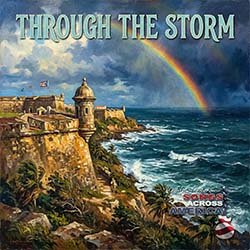
Maria became a public-health and infrastructure disaster as much as a hurricane disaster. The collapse of Puerto Rico's power grid, delayed recovery, medical vulnerability, and territorial inequality exposed major weaknesses in federal disaster response and island infrastructure. For Songs Across America, this event is especially important because Puerto Rico and the U.S. Virgin Islands are part of the American story, even when mainland attention fades.
For further, more in-depth reading, please click on the following external link:
•••
49. Las Vegas Shooting
Quick Facts
- Type of disaster: Mass shooting / public-event massacre / domestic mass-casualty attack.
- Date disaster occurred: October 1, 2017.
- Location of disaster: Route 91 Harvest music festival, Las Vegas Strip, Paradise, Nevada.
- Estimated number of lives lost and people injured: The official death toll was later updated to 60 victims. Nearly 900 people were wounded or injured, including people struck by gunfire and people injured while fleeing.
- Estimated total cost of disaster: Incalculable. Legal settlements, emergency response, medical costs, trauma care, security changes, victim compensation, and long-term mental-health impacts reached enormous levels.
The Las Vegas Shooting was the deadliest mass shooting committed by a single gunman in modern United States history. A gunman firing from rooms on the 32nd floor of the Mandalay Bay resort attacked the crowd at the outdoor Route 91 Harvest music festival. In a matter of minutes, the concert grounds became a mass-casualty scene as thousands of people fled, sheltered, or tried to help the wounded.
The scale of the attack made it especially horrifying. The shooter had stockpiled firearms and ammunition in his hotel rooms and used the height of the hotel to fire down on a crowded outdoor venue. Investigators later concluded that the gunman acted alone, but a clear motive was not established. The absence of a definitive motive has made the event even more disturbing, because it resists the kind of explanation people often seek after mass violence.
Las Vegas also forced major questions about hotel security, event security, high-rise surveillance, emergency medical staging, police coordination, and public preparedness for mass-casualty attacks. It drew particular attention to bump stocks, devices that allowed semiautomatic rifles to fire more rapidly. The attack became another grim marker in America's long-running debate over firearms, public safety, civil liberties, and the political limits of reform.
America's Mass Shooting Crisis
The Las Vegas Shooting belongs in this article not only because of its death toll, but because it represents a larger national crisis. Mass shootings occur in other countries, and several nations have suffered terrible attacks, but the United States experiences mass-casualty firearm violence with a frequency and cultural familiarity that sets it apart from most peer democracies. The reasons are debated, but serious research often points to a combination of widespread firearm availability, high-capacity weapons, cultural and political polarization, gaps in background-check systems, social alienation, extremist ideology, domestic violence patterns, mental-health failures, and the copycat effect created by intense media attention.
This problem is especially painful because the sites of mass shootings are often ordinary places: schools, churches, synagogues, mosques, grocery stores, movie theaters, workplaces, college campuses, nightclubs, concerts, parades, and neighborhood gatherings. These attacks do more than kill and injure. They change how Americans think about public space, childhood, entertainment, worship, political speech, law enforcement, and the basic expectation of safety in daily life.
There is no single solution that explains or prevents every mass shooting, and researchers disagree about definitions, data sources, and the effectiveness of some policies. Still, the moral reality is unavoidable: a society that repeatedly suffers mass shootings has a responsibility to study them honestly, remember the victims, evaluate evidence-based prevention strategies, and ask why so many moments of collective grief have failed to produce durable national consensus.
For further, more in-depth reading, please click on the following external link:
•••
45. COVID-19 Pandemic
Quick Facts:
- Type of disaster: Medical crisis / pandemic / social and economic disruption.
- Date disaster occurred: 2020 onward.
- Location of disaster: Nationwide and worldwide.
- Estimated number of lives lost and people injured: More than 1 million people died in the United States. Millions were hospitalized, and many more experienced long-term health effects.
- Estimated total cost of disaster: Incalculable. The pandemic caused trillions of dollars in federal response, lost output, medical costs, business disruption, school disruption, labor disruption, and long-term health impacts.
COVID-19 became one of the deadliest public health disasters in American history. Hospitals were overwhelmed in many regions, nursing homes suffered catastrophic losses, schools and businesses closed, and families were separated by illness, quarantine, travel restrictions, and grief. The pandemic disrupted nearly every part of American life.
COVID-19 was also a stress test of public trust, science communication, health care capacity, supply chains, federalism, labor systems, and political culture. It exposed unequal access to care, misinformation, workforce vulnerability, and the difficulty of sustaining public cooperation during a prolonged crisis. Its effects continue through long COVID, workforce changes, educational disruption, and public-health policy debates.
For further, more in-depth reading, please click on the following external link:
•••
46. Attack on the U.S. Capitol
Quick Facts:
- Type of disaster: Political violence / attack on democratic institutions / riot.
- Date disaster occurred: January 6, 2021.
- Location of disaster: United States Capitol, Washington, D.C.
- Estimated number of lives lost and people injured: Multiple deaths were associated with the event and its aftermath. More than 140 police officers were injured.
- Estimated total cost of disaster: Physical damage exceeded several million dollars, while legal, security, investigative, and institutional costs were far higher.
The attack on the U.S. Capitol occurred as Congress met to certify the results of the 2020 presidential election. A mob breached police lines, entered the Capitol, assaulted officers, vandalized offices, threatened lawmakers, and temporarily halted the constitutional transfer of power. The event shocked the country and the world.
The attack led to major criminal prosecutions, congressional investigations, impeachment proceedings, security reforms, and continuing debate over election denial, political extremism, misinformation, and democratic stability. It was not a natural disaster, but it was a national crisis that exposed vulnerabilities in American democratic institutions.
For further, more in-depth reading, please click on the following external link:


•••
47. Hurricane Ian
Quick Facts:
- Type of disaster: Natural disaster / hurricane / storm surge / flood.
- Date disaster occurred: September 2022.
- Location of disaster: Florida, especially southwest Florida, with additional effects across parts of the Southeast.
- Estimated number of lives lost and people injured: More than 150 deaths were attributed to the storm by many official summaries.
- Estimated total cost of disaster: More than $100 billion in damage, making it one of the costliest hurricanes in United States history.
Hurricane Ian struck Florida as a powerful Category 4 hurricane, causing catastrophic storm surge, destructive winds, inland flooding, and widespread infrastructure damage. Southwest Florida communities such as Fort Myers Beach, Sanibel, Captiva, Pine Island, and surrounding areas suffered severe destruction.
Ian became another major warning about coastal development, evacuation decision-making, insurance availability, climate risk, and rebuilding in high-risk areas. Like Katrina, Harvey, Irma, Maria, and other modern storms, Ian showed how dense development, vulnerable infrastructure, and powerful hurricanes can produce disasters whose costs continue long after the storm has passed.
For further, more in-depth reading, please click on the following external link:
•••
Closing Reflection
Taken together, these disasters show that catastrophe is rarely caused by a single factor. A hurricane becomes worse when people build in dangerous places without adequate protection. A fire becomes worse when cities grow faster than safety codes. A flood becomes worse when engineering, negligence, and extreme weather collide. A pandemic becomes worse when public trust collapses. A riot or massacre becomes worse when hatred, inequality, propaganda, and weak institutions are allowed to fester.
The most important lesson is not simply that America has suffered great disasters. It is that each disaster revealed something about the nation at that moment: its technology, its inequalities, its blind spots, its courage, and its capacity to rebuild. The true measure of a disaster is not only how much it destroys, but what a society chooses to learn after the damage is done.
•••













.jpg)