Carmel is coastal charm turned up to eleven: storybook cottages, galleries and boutiques, and a village core that’s made for wandering. It’s special because it offers high-end polish without losing that “walkable seaside town” warmth, all while sitting next to some of the most beautiful coastline in America.
Natural Setting
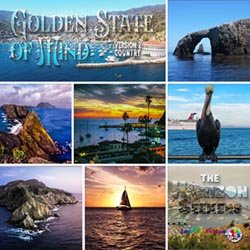
Carmel sits right on the Pacific with a gorgeous beach and cypress-lined vistas. The town’s natural backdrop is immediate: ocean light, coastal breezes, and sunsets that make even a simple evening walk feel like a highlight.
Nearby, you have “national-level” scenery in multiple directions: Point Lobos delivers some of California’s most famous coastal hiking and wildlife viewing (sea birds, sea lions, tidepools), and Big Sur is within easy reach for dramatic cliffside drives and trail outings. Carmel is also close to the Monterey Peninsula’s shoreline parks and viewpoints: so nature is always five minutes away.
Historical, Economic & Cultural Importance
Carmel’s culture is deeply tied to the arts: galleries, studios, boutique shops, and design-forward storefronts dominate the village experience. Historically, it’s been a creative enclave and coastal retreat, and that identity remains strong.
Economically, it’s built around tourism, dining, and the arts: upscale restaurants, wine rooms, coffee spots, and the kind of shopping district where browsing is the point. It’s a town that feels curated for pleasure: walk, eat well, see beautiful things, then step outside and you’re on the Pacific edge.
 Oakhurst is a practical, visitor-friendly mountain town that shines because it makes Yosemite easier. It’s special in a different way than Carmel: less storybook, more basecamp: still small-town, still scenic, and very good at supporting real trip plans.
Natural Setting
Oakhurst sits in the Sierra Nevada foothills, where oak woodland transitions to pine forest as you climb. It’s close to Yosemite’s southern approaches (and the broader Sierra recreation zone), making it ideal for early morning park entries and efficient day-trip loops.
Beyond Yosemite itself, the surrounding Sierra foothill landscape offers plenty: forest drives, local trail outings, and easy access to lakes and viewpoints. Wildlife viewing is part of the mountain-town experience: birds, deer, and seasonal activity that makes even an evening walk feel outdoorsy.
Historical, Economic & Cultural Importance
Oakhurst’s role is that of a support town: lodging, groceries, restaurants, guide connections, and traveler services that make national-park touring smoother. It’s economically anchored in tourism, but it also feels like a real community rather than a theme destination.
Shopping is practical with a visitor tilt: gear, supplies, casual browsing: and the dining scene is built around fueling up: breakfasts, coffee, family restaurants, and quick dinners after long park days. Culturally, Oakhurst is “Sierra gateway” through and through: friendly, straightforward, and purpose-built for travelers who want the big scenery without complicated logistics.

 Back to Best Small Towns in America

















.jpg)