"In the Heart of My Wild Idaho©"
Lyrics by M. S. McKenzie (Unless Otherwise Noted) | Music Performed by Songs Across America or American Storyteller Music, All Songs Are Protected by Copyright
~ Associated State Links ~
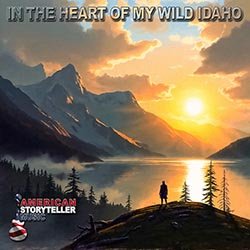
"In The Heart of My Wild Idaho"
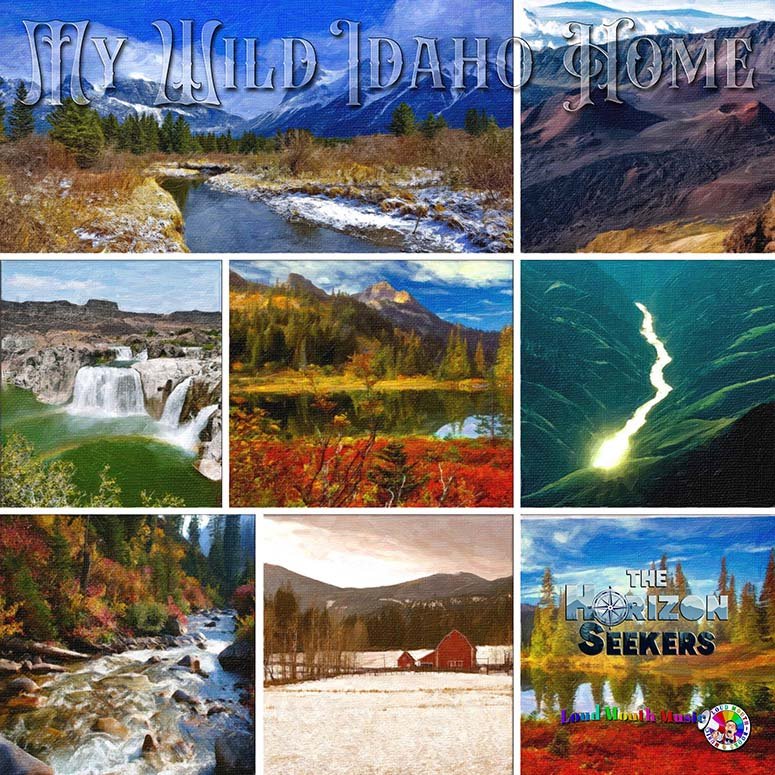
or "My Wild Idaho Home"
[Intro: Acoustic Instrumental]
[Verse 1]
Beneath the northern morning light
Where Pend Oreille's waters shine
Through mists that dance like silver veils
Upon deep forests dark with pine
While Coeur d'Alene lies dreaming
Within its bed of emerald hills
Where ospreys wheel in a golden dawn
And a lone loon’s call…
…breaks the air so still:
[Chorus]
In the heart of my wild Idaho
Where mountain spirits dwell
Your untamed beauty holds us close
With a thousand tales to tell
[Verse 2]
The Sawtooth Range stands guard above
Where still waters of Redfish Lake lie below
And an alpenglow paints the evening peaks
In a hundred shades between rose and gold
We head down Salmon's rock-strewn path
Through canyonlands deep and wide
Where battle cries of Nez Perce Warriors
Still echoing against the canyon-side
[Breakdown: musical interlude with violin and harmonica]
[Verse 3]
Across the barren and devastated land
Where volcanoes shaped earth and stone
Through Craters of The Moon’s monument
And the silence of the wind makes its home
Then Shoshones' waters take their plunge
Through curtains of rainbow-painted spray
Like ribbons drawn through canyon walls
Where the afternoon sun and waters play
[Chorus]
In the heart of my wild Idaho
Where mountain spirits dwell
Your untamed beauty holds us close
With a thousand tales to tell
[Verse 4]
The Palouse’s grassy hills flow endlessly
Like waves of gold upon the land
Their amber grasses bend and sway
And sultry summer breezes fanned
While Snake River winds its way below
Through layered, basaltic canyon walls
Where eagles ride the thermal winds
And the late afternoon’s shadow falls
[Chorus]
In the heart of my wild Idaho
Where mountain spirits dwell
Your untamed beauty holds us close
With a thousand tales to tell
[Outro: Instrumental]
"In the Heart of My Wild Idaho" is a warm, expansive folk-country tribute to the natural beauty, cultural memory, and untamed spirit of Idaho. Traveling from the forested lakes of the northern Panhandle to the Sawtooth Mountains, the volcanic plains of Craters of the Moon, the waterfalls of the Snake River, and the rolling farmland of the Palouse, the song presents Idaho as a land of remarkable contrasts. It is at once rugged and peaceful, ancient and alive, remote yet deeply personal.
The song's emotional center is the recurring chorus: "In the heart of my wild Idaho." This phrase can be understood in two ways. It refers to the physical heart of the state, where mountains, rivers, forests, canyons, and open country come together, but it also describes the place Idaho occupies within the narrator's own heart. The landscape is not merely admired from a distance. It is loved as a homeland, a source of identity, and a keeper of stories passed down through generations.
The acoustic instrumental introduction establishes a rustic and reflective atmosphere. A gently picked acoustic guitar could suggest the quiet movement of water or the beginning of a long journey through the state. Subtle fiddle, mandolin, harmonica, or soft percussion could gradually enter, creating a sound that feels rooted in Western folk, Americana, and traditional country music without becoming overly heavy or dramatic.
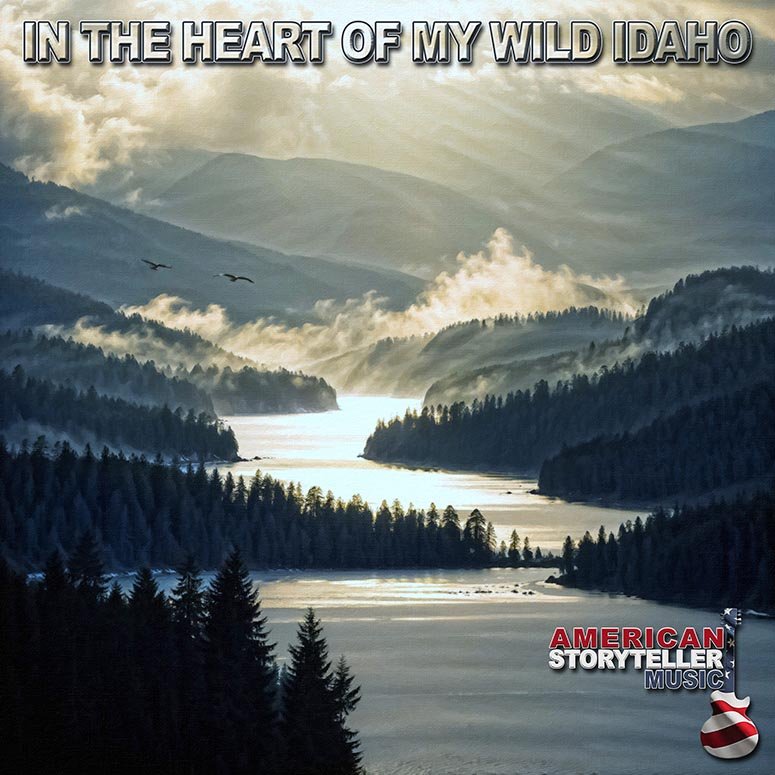
The first verse begins in northern Idaho beneath the soft light of morning. Lake Pend Oreille is presented through shimmering water, drifting mist, dark pine forests, and distant wildlife. The description of mist dancing like "silver veils" gives the scene an almost dreamlike quality, while the surrounding forests suggest the depth and mystery of the northern wilderness.
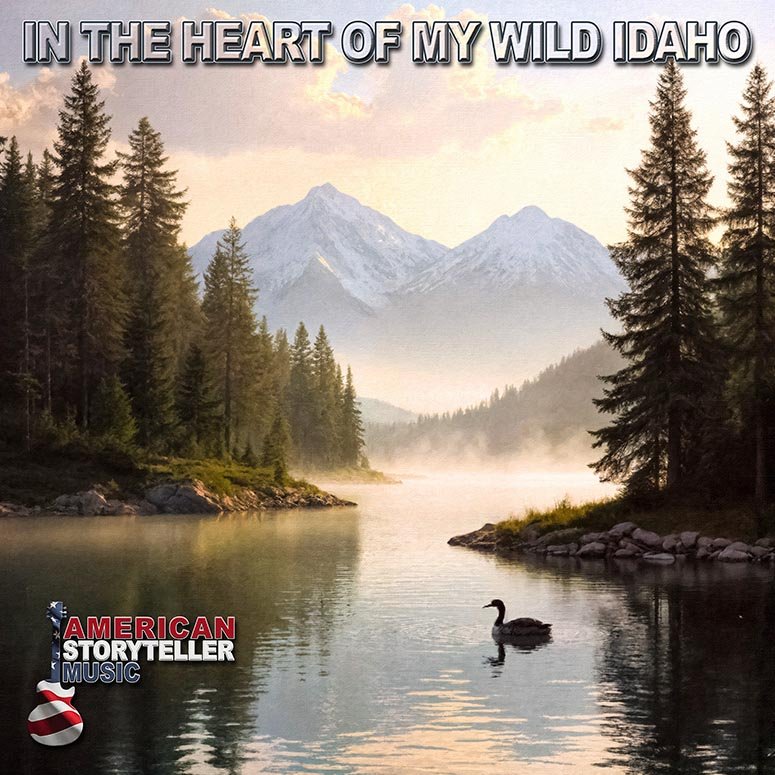
The verse then moves toward Lake Coeur d'Alene, resting among its emerald hills. The lake appears peaceful and almost personified as it "lies dreaming" before sunrise. Ospreys circling in the golden light add motion above the landscape, while the call of a lone loon breaks the morning stillness. That final sound makes the scene feel intimate and immediate. The listener is not simply seeing the lake but hearing the wilderness awaken.
This opening establishes one of the song's central ideas: Idaho's beauty is found not only in enormous mountains and dramatic canyons but also in quiet moments. Mist above a lake, a bird moving across the sky, or a single call echoing through the forest can become unforgettable. The narrator's love for Idaho grows from these small, personal experiences as much as from its celebrated landmarks.
The chorus broadens the song from a specific location into a declaration of affection for the entire state. The phrase "where mountain spirits dwell" gives the wilderness a timeless and almost mythic quality. It suggests that the mountains contain memories, histories, and unseen presences accumulated across centuries.
"Your untamed beauty holds us close" creates an effective contrast. The land is wild and cannot be fully controlled, yet it provides comfort and belonging. Idaho's wilderness may be vast, rugged, and sometimes severe, but it also feels like home. The final line, "With a thousand tales to tell," prepares the listener for the continuing journey through the state and acknowledges that every river, canyon, mountain, and community carries its own story.
The second verse travels into central Idaho, where the Sawtooth Range rises above Redfish Lake. The mountains are described as standing guard, giving them a protective and enduring presence. Beneath them, the lake remains calm, creating a striking visual contrast between jagged granite peaks and still water.
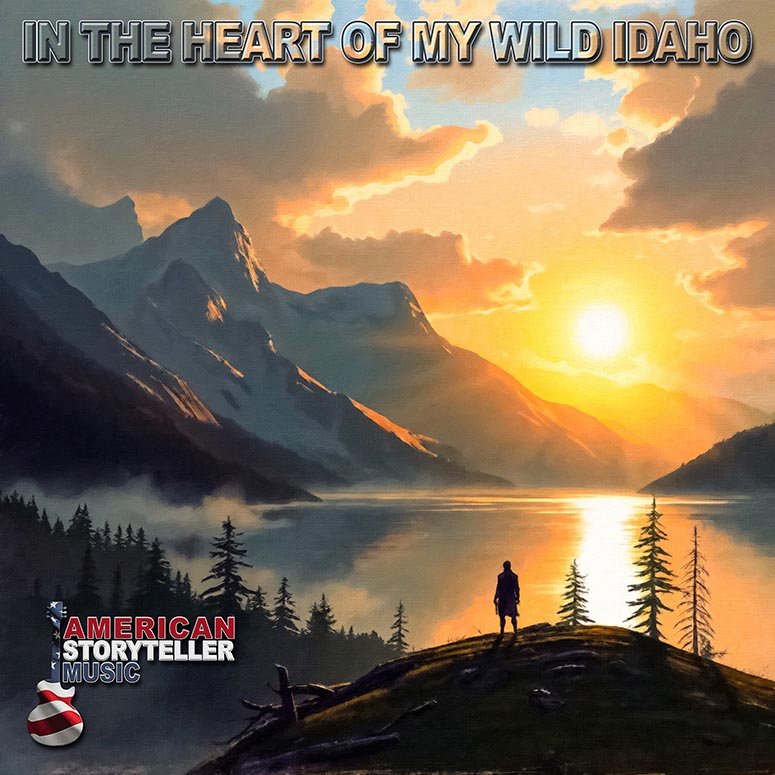
The evening alpenglow paints the mountains in shades of rose and gold. This moment captures the constantly changing character of mountain landscapes. Although the peaks themselves seem permanent, light transforms their appearance from one moment to the next. The image also introduces a warmer emotional tone, as though the mountains are briefly illuminated from within before night settles over the valley.
The journey then follows the Salmon River through deep and rugged canyon country. The river's rock-strewn path suggests movement, hardship, and persistence as it cuts through Idaho's mountainous interior. Unlike the peaceful waters of the northern lakes, the Salmon carries the energy of a wild river pushing through an immense landscape.
The reference to the Nez Perce brings a deeper historical dimension into the song. Their presence reminds the listener that Idaho's rivers, valleys, and mountain routes were known, traveled, named, and cared for long before modern settlement. The imagined echoes of warriors against the canyon walls connect the visible landscape with cultural memory.
This moment gives the song greater meaning than a conventional scenic travel piece. The land is not empty wilderness. It contains human histories, acts of courage, displacement, resistance, survival, and belonging. The canyon becomes a place where the past remains present, carried through echoes, stories, and memory.
The musical breakdown featuring violin and harmonica provides a natural pause after the historical weight of the second verse. The violin could carry a broad, emotional melody representing the mountains, while the harmonica adds an earthy and solitary Western quality. Together, they could create the impression of wind moving through a canyon or a traveler standing alone beside the river.
The third verse enters one of Idaho's most unusual environments: the volcanic terrain of Craters of the Moon. The mood shifts dramatically from green forests and mountain lakes to dark lava fields, broken stone, and open silence. The description of the land as "barren and devastated" emphasizes its severe appearance, as though the traveler has entered another world.
The verse acknowledges the volcanic forces that shaped the landscape. Lava flows, craters, and hardened formations reveal that Idaho's scenery was created not only by rivers and glaciers but also by fire from beneath the earth. The silence of the wind reinforces the remoteness of the monument and gives the terrain an eerie, almost extraterrestrial quality.
Although the land first appears lifeless, its starkness possesses a beauty of its own. Craters of the Moon represents nature at its most elemental. Earth, stone, wind, and time dominate the scene. The verse therefore expands the song's definition of beauty beyond green forests and clear water. Even a black volcanic plain can inspire awe because it reveals the geological forces that continue to shape the planet.
The song then transitions from dry volcanic country to the powerful movement of Shoshone Falls. Water plunges into the canyon in curtains of spray, and sunlight transforms that spray into shifting rainbows. The sudden presence of color, motion, and sound creates a dramatic contrast with the silence of the lava fields.
The comparison of the falls to ribbons drawn through canyon walls gives the water a graceful quality despite its power. The afternoon sunlight turns the falls into a living display of movement and color. This passage shows another side of Idaho: not quiet or barren, but energetic, luminous, and constantly changing.
The third verse also symbolizes transformation. Volcanic destruction creates new land, while falling water shapes canyon walls over immense stretches of time. These landscapes remind the listener that the natural world is never truly motionless. Even stone records change, pressure, erosion, eruption, and renewal.
The fourth verse reaches the Palouse, where rolling hills of farmland spread across northern Idaho. The land is compared to waves of gold, creating the impression of a vast inland sea. Wheat fields and grasses rise and fall across the contours of the hills, while summer winds move through them like currents across water.
This section brings human cultivation into the song without diminishing its natural beauty. The Palouse is not presented as untouched wilderness but as a working landscape shaped by agriculture, seasons, and generations of rural life. Its beauty comes from the relationship between the land and those who depend upon it.
The "sultry summer breezes" give the scene warmth and movement. Amber grasses bend beneath the wind, creating a slower and more pastoral rhythm than the powerful waterfalls or turbulent river passages heard earlier in the song. The verse offers a moment of openness and calm before descending once more into canyon country.
The Snake River then winds below the fields through walls of layered basalt. This image connects several of the song's geographical themes. Water, volcanic rock, erosion, wildlife, and open sky meet within the same scene. The basalt layers reveal Idaho's ancient geological history, while the river continues shaping the canyon below.
Eagles riding the thermal winds embody freedom and effortless movement. High above the canyon, they seem to belong completely to the landscape. The falling shadows of late afternoon bring the journey toward a natural conclusion, suggesting the end of a full day spent traveling through Idaho.
The final repetition of the chorus gathers every landscape into one emotional statement. The northern lakes, Sawtooth peaks, Salmon River canyons, volcanic plains, waterfalls, Palouse hills, and Snake River gorge all become part of the "wild Idaho" held within the narrator's heart.
Musically, the song would work especially well as a melodic Americana, folk-country, or acoustic country-rock arrangement. Acoustic guitar should remain the foundation, supported by warm bass, light drums, fiddle, harmonica, and possibly mandolin. The verses could begin simply and allow the instrumentation to expand as the journey moves into larger landscapes.
The chorus should feel open and singable, with fuller vocal harmonies and a slightly stronger rhythmic lift. Rather than becoming loud or overly polished, it should retain a natural, homespun character. The phrase "In the heart of my wild Idaho" has the potential to function as an anthem-like hook, especially if the melody rises on "wild Idaho" and is supported by sustained harmony vocals.
The violin and harmonica interlude could become one of the arrangement's defining moments. The fiddle might first introduce a lyrical melody before the harmonica answers it, creating the feeling of two distant voices calling across a valley. A restrained acoustic guitar rhythm beneath them would keep the music moving while preserving the sense of space.
The instrumental outro could return to the opening guitar pattern, perhaps accompanied by a final mournful harmonica phrase or a slowly fading fiddle line. This would make the song feel circular, as though the journey has ended beside the same quiet lake where it began.
Lyrically, the song succeeds because it does not reduce Idaho to a single image. It recognizes the state as a complex meeting place of forests, lakes, mountains, rivers, agricultural hills, desert-like volcanic plains, waterfalls, and deep canyons. Each verse reveals a different geographical character, yet the chorus unites them through the narrator's affection.
The song also balances scenic appreciation with cultural and geological history. The reference to the Nez Perce acknowledges that the land contains histories far older and more complicated than modern tourism. The lava fields and basalt canyons remind the listener of Idaho's volcanic past, while the Palouse reflects the continuing relationship between people and the land.
At its heart, "In the Heart of My Wild Idaho" is a song about place becoming identity. The narrator loves Idaho not only because it is beautiful but because its landscapes hold memories, stories, and a sense of belonging. Its lakes provide stillness, its mountains inspire reverence, its rivers carry history, and its wide-open country creates a feeling of freedom.
The alternate title "In the Heart of My Wild Idaho" would place even greater emphasis on personal belonging and homesickness. It suggests a narrator who may be remembering Idaho from a distance or returning after time away. **"In the Heart of My Wild Idaho,"** however, feels more poetic and closely connected to the existing chorus. It presents the state as both a physical landscape and an emotional place within the narrator.
Ultimately, the song is a celebration of Idaho as a wild, beautiful, historically layered, and deeply cherished homeland. It invites listeners to travel through the state while also encouraging them to recognize the stories held within every mountain, river, canyon, and open field. Through all its changing scenery, Idaho remains the constant center of the song: untamed, enduring, and forever close to the heart.












.jpg)