"Still Holding The Line©"
Lyrics by M. S. McKenzie (Unless Otherwise Noted) | Music Performed by Songs Across America or American Storyteller Music, All Songs Are Protected by ©
~ Associated State Links ~
"Still Holding The Line"
I wrote "Still Holding the Line" for a fire lookout and ranger left understaffed and alone at Voyageurs, out on Namakan Lake, week nine with no relief in sight after the position lost its support staff. I wanted the song to sit inside that specific isolation, patching docks alone, logging moose and bears and beavers with genuine care, while the actual human cost of doing this job shorthanded quietly accumulates underneath the wildlife sightings.
The story behind the song is the small, devastating detail in the third verse, missing his youngest's tenth birthday, reading his wife's text that says only we're doing okay, and crying alone in his laptop's glow where no one would see. I did not want this song to be an argument about staffing decisions. I wanted it to be a portrait of what those decisions actually cost one specific man, missing the exact moments a family only gets once.
What I care about most is the bridge's honest question, he took this post for the promise it gave, to protect something sacred, not to be a slave, but how long can a man stretch body and soul before this vast wilderness takes its toll. Songs Across America has plenty of songs celebrating the beauty of protected wild places. This one is for the people asked to protect that beauty with less and less support, and what that quiet sacrifice costs them at home.
Reflective, atmospheric folk ballad built on a weary, aching chorus, structured around a single isolated season at a remote lake outpost.
The isolation of underfunded wilderness stewardship, family sacrifice behind quiet public service, the beauty of protected land set against the human toll of protecting it, and love that endures across distance and understaffing.
Primary Subject:
A fire lookout and ranger at Voyageurs National Park, left understaffed and isolated from his family for months at a time.
Mood:
Weary, lonely, and quietly aching throughout, carrying real love and sacrifice beneath the isolation.
The people asked to protect our wildest places often pay a real, human cost when they're left without enough support to do it, missing birthdays and ordinary family moments in service of something worth protecting, and that sacrifice deserves to be seen.
[Intro]
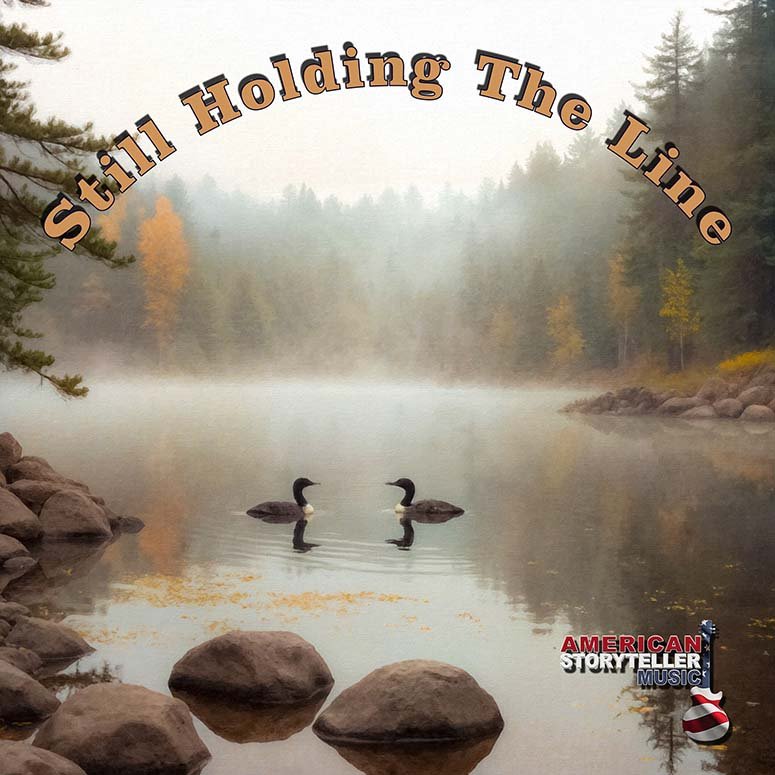
A soft wind whispers through the pines, soft moonlight on the bay
Two loons call out a haunting tune from the edge of the day
He tightens his boots, scales his tower and scans the fire-watch log
Yet another lonely night walking back to his bunk through the fog
[Verse 1]
It’s week number nine, ain’t no sign of relief
While patching old docks he slips on a wet leaf
Then he recalls the DOGE cuts that left him alone
To fend for himself, way out here on his own
[Chorus]
He’s still holding the line, where the wild things roam
But his heart aches nightly for the faces back home
With the stars burning bright over Namakan Lake
He wishes on a star for a much-needed break
[Verse 2]
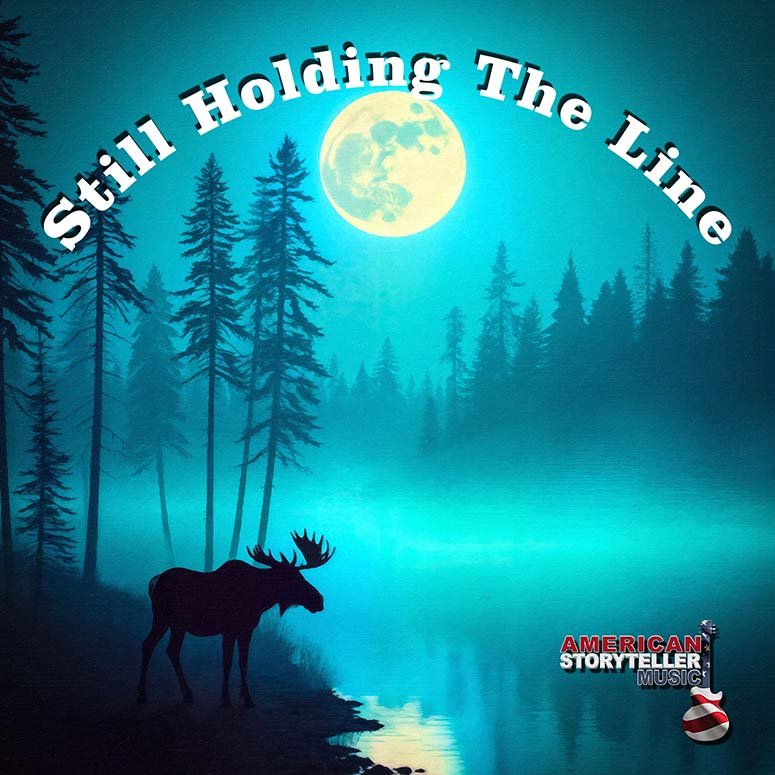
A bull moose crossed his path near the aspen grove
And a bear took down trash near the ranger’s cove
He logs it all in, not a thing does he miss: except…
The company of co-workers or the dog he had kept
[Verse 3]
His youngest just turned ten:he missed the whole day
His wife sent a photo with the caption, "We’re doing okay"
He read it with tears in his eyes there in laptop’s glow
Then he wiped his face, thankful no one would know
[Bridge]
He took this post for the promise it gave
To protect something sacred, not to be a slave
But how long can a man stretch body and soul
Before this vast wilderness takes its toll?
[Verse 4]
He watches a family of beavers disappear into the mist
And dreams of his spouse and the warmth of her kiss
The world out here is rugged with beauty that's surreal
But tonight he'd trade it all for a home-cooked meal
[Chorus]
Still holding the line, with a badge on his chest
Doing work most forget, giving more than the rest
With the owls calling out and the cold setting in
He dreams of the day he can finally give in
[Chorus - Final]
Still holding the line, though he’s tired to the bone
In the land of a thousand lakes carved out of stone
He used to love it here, but his heart’s grown worn
Guarding the wild place where his soul was sworn
[Outro]
Ontario winds chills to the bone, there’s ice on the shore
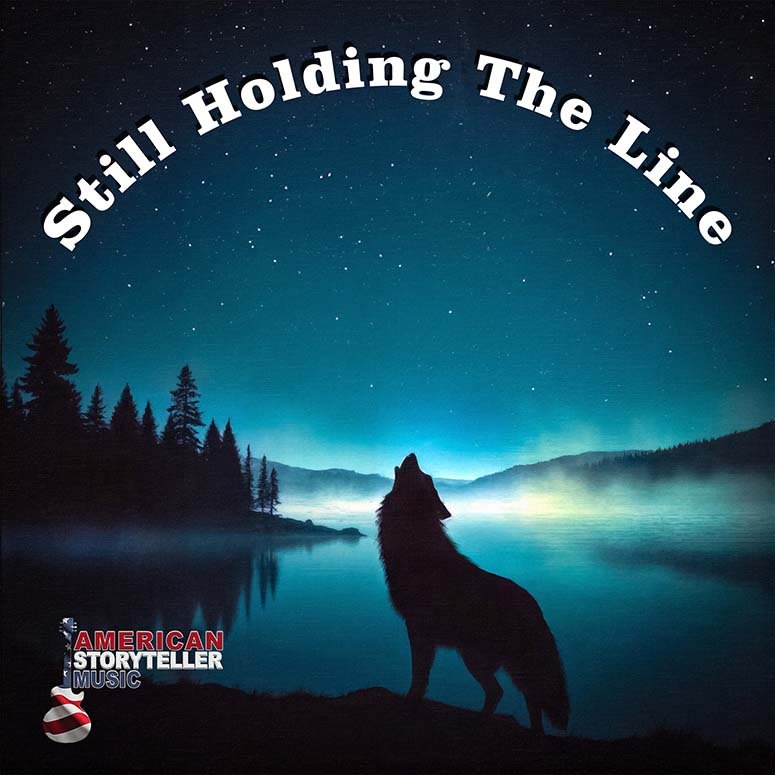
In the distance a lone wolf howls, he’s not alone anymore
Just one more night under this northern sky’s dome
He’s still holding the line:and longing for home
"Still Holding the Line" is a somber, character-driven story song about an isolated National Park Service ranger struggling to fulfill his duty after staffing cuts leave him overworked, unsupported, and separated from his family. Set amid the lakes, forests, fog, wildlife, and cold northern beauty of Minnesota's Voyageurs region, the song contrasts the majesty of protected wilderness with the emotional and physical cost placed upon the person assigned to protect it alone.
The title carries both literal and symbolic meaning. The ranger is "holding the line" by maintaining docks, monitoring wildlife, checking fire conditions, documenting incidents, and keeping the remote station functioning. At the same time, he is holding an emotional line within himself, trying not to collapse beneath exhaustion, loneliness, family separation, and the growing realization that his dedication is being exploited.
The introduction creates a peaceful but haunting atmosphere. Wind moves softly through the pines, moonlight rests on the bay, and two loons call across the evening water. These details immediately establish the northern lake country and its distinctive sense of solitude. The setting is beautiful, but the beauty carries an undercurrent of sadness. The loon calls feel almost like distant voices, emphasizing how far removed the ranger is from ordinary companionship.
The fire tower and fire-watch log establish his responsibility before the song fully reveals his hardship. Even at night, he remains alert to changing conditions. He climbs the tower, scans the surrounding wilderness, completes the necessary paperwork, and then walks alone through the fog to his bunk. The routine seems disciplined and professional, but it also feels endless. There is no welcoming light, conversation, or shared meal waiting for him at the end of the shift.
The first verse reveals that he has been stationed there for nine weeks without relief. That simple measurement of time immediately communicates the severity of the situation. He is not experiencing a brief period of inconvenience. He has been carrying the workload long enough for fatigue, isolation, and resentment to become deeply rooted.
His fall while repairing the docks demonstrates the practical danger of understaffing. A task that might ordinarily be completed by a crew is being handled by one exhausted person in wet and hazardous conditions. The slipping leaf is a small detail, but it makes the larger problem tangible. His vulnerability does not come from a dramatic wilderness disaster. It comes from routine maintenance performed alone, when one minor accident could leave him injured with little immediate assistance.
The reference to the DOGE cuts identifies the administrative cause of his predicament within the song's narrative. Budget reductions and staffing losses are not presented as abstract numbers. Their effects are shown through one ranger who must "fend for himself" far from help. The lyric turns policy into a human story, demonstrating how decisions made at a distance can reshape the daily lives of workers and the places they are expected to protect.
The first chorus widens the emotional perspective. The ranger remains at his post "where the wild things roam," but his thoughts are directed toward home. The phrase usually associated with wonder and freedom becomes bittersweet because he is surrounded by wildlife while longing for human closeness.
Namakan Lake places the story firmly within the northern border country. The stars above the lake are beautiful, but they do not relieve his exhaustion. Instead, he wishes upon one of them for something modest and practical: a break. He is not asking for praise, promotion, or adventure. He wants relief, rest, and the chance to return to the people he loves.
The second verse shows that he continues performing his duties carefully despite his emotional decline. He records the movements of a bull moose, investigates a bear near the ranger cove, and logs every event. The line "not a thing does he miss" confirms that he remains competent and conscientious.
The pause before "except" changes the meaning of the verse. What he misses most is not an animal sighting or a professional detail but companionship. He misses the co-workers who once shared the burden and the dog that once provided comfort. The dog's absence is particularly affecting because an animal companion would have offered warmth and familiarity without diminishing the ranger's solitude or responsibilities.
This verse also draws a quiet parallel between the wild animals and the ranger. The moose, bear, owls, beavers, and wolf all belong naturally to the landscape. The ranger, however, is becoming emotionally displaced within it. He protects the wilderness, yet prolonged isolation is making him feel less at home there.
The third verse is the emotional center of the song. The ranger has missed his youngest child's tenth birthday, a milestone that cannot be recovered. The line is painful because the loss is not dramatic in a public sense. There is no ceremony or crisis. It is an ordinary family moment that passes without him, precisely the kind of moment that gives a life its emotional foundation.
His wife's message, "We're doing okay," is restrained and therefore especially powerful. It may be intended to reassure him, but it also carries unspoken strain. The family is managing in his absence, yet the wording suggests that they are enduring rather than thriving.
The photograph arrives through the cold glow of a laptop, reinforcing the distance between him and his family. Technology allows him to see the birthday he missed, but it cannot let him participate in it. The screen becomes both a connection and a reminder of separation.
His tears reveal the emotional cost he has concealed behind professional discipline. He wipes them away even though no one is present to see him. This response shows how deeply he has internalized the expectation to remain strong. His privacy does not free him to grieve openly. He instinctively hides his vulnerability even in complete isolation.
The bridge directly confronts the conflict between service and exploitation. He accepted the ranger position because it offered the opportunity to protect something sacred. His commitment to the wilderness was rooted in purpose, stewardship, and public service. He did not take the job merely for employment.
The phrase "not to be a slave" marks the point at which devotion becomes resentment. The song distinguishes between sacrifice willingly made for a meaningful calling and sacrifice imposed by an institution that has removed essential support. Duty has become coercive because his sense of responsibility makes it difficult for him to walk away.
"How long can a man stretch body and soul" is the central question of the song. Physical exhaustion and emotional depletion are treated as inseparable. His body is strained by repair work, cold, long hours, and constant vigilance. His soul is strained by loneliness, guilt, and the fear that the work he loves is destroying the life he values most.
The wilderness itself is not portrayed as malicious. Nevertheless, prolonged exposure to isolation, responsibility, weather, and danger can take a toll. The landscape remains sacred and beautiful, but beauty does not eliminate hardship. In this way, the song avoids romanticizing remote conservation work.
The fourth verse offers one of the song's gentlest images: a family of beavers disappearing into the mist. Their presence reminds the ranger of the family life from which he is separated. The beavers move together into shelter, while he remains alone outside, observing them.
His thoughts turn toward his spouse and physical closeness. The remembered warmth of her kiss stands in direct contrast with the cold, damp environment around him. The song's emotional needs are deliberately simple: affection, companionship, food, rest, and home.
The line about trading the surreal beauty for a home-cooked meal is especially effective because it undercuts idealized ideas about wilderness employment. Tourists may travel great distances to experience the scenery surrounding him. For the exhausted ranger, however, even extraordinary beauty has lost some of its power. A familiar meal shared with family now seems more precious than the landscape he once loved.
The second chorus shifts from romantic longing toward recognition of unseen labor. The badge on his chest represents public authority, responsibility, and personal pride. Yet the work behind that badge is largely unnoticed. He repairs infrastructure, watches for fires, manages wildlife encounters, records conditions, protects visitors, and remains available during emergencies.
"Doing work most forget" speaks to the invisible labor required to maintain protected lands. Visitors often experience trails, docks, campsites, clean facilities, safe waterways, and managed habitats without seeing the people who make those experiences possible. The ranger gives "more than the rest" not because he seeks heroism, but because there is no one else available to share the burden.
The line about dreaming of the day he can "finally give in" introduces ambiguity. It could mean taking leave, resigning, asking for help, admitting exhaustion, or simply allowing himself to stop being strong. This uncertainty gives the lyric emotional depth. He is not necessarily abandoning his values. He may be recognizing that endurance without limits is no longer admirable or sustainable.
The final chorus is darker and more resigned. The ranger is tired "to the bone," suggesting exhaustion that has penetrated beyond ordinary fatigue. The reference to the "land of a thousand lakes carved out of stone" celebrates Minnesota's glacial landscape while maintaining the song's sense of cold, ancient permanence.
The line "He used to love it here" reveals the deepest tragedy. The work and landscape once gave his life meaning, but the conditions of his employment have damaged that relationship. The wilderness has not changed. What has changed is his ability to experience it without associating it with abandonment, overwork, and loss.
"Guarding the wild place where his soul was sworn" suggests an almost sacred commitment. He has pledged himself to this land, perhaps formally through his profession and inwardly through his love of nature. Yet that promise has become a source of captivity. He cannot easily leave because doing so would feel like betraying something central to his identity.
The outro returns to the environmental details of the opening but makes them colder and harsher. Ontario winds cross the border region, ice forms along the shore, and the temperature reaches into the ranger's body. The spelling would read most naturally as "Ontario wind chills to the bone" or "Ontario winds chill him to the bone."
A lone wolf howls in the distance, creating a subtle emotional reversal. For most of the song, the ranger has been profoundly alone. The wolf's cry does not provide human companionship, but it answers the silence. For a moment, another living creature seems to acknowledge his presence.
The line "he's not alone anymore" can therefore be understood both literally and symbolically. The wolf shares the night, but it also reflects the ranger's own condition. Both are solitary figures moving through an immense northern landscape. The sound becomes a form of distant fellowship.
The final image places him beneath the dome of the northern sky for one more night. "Just one more night" may be something he has told himself repeatedly. It contains hope, exhaustion, and uncertainty. He continues holding the line, but his strongest desire is no longer to remain. It is to go home.
Musically, "Still Holding the Line" would work particularly well as a slow Americana, folk-rock, or contemporary country story ballad. The arrangement should preserve the quiet, isolated atmosphere of the setting. Acoustic guitar, restrained piano, low strings, soft percussion, and occasional harmonica or fiddle would support the narrative without overpowering it.
The opening could feature fingerpicked acoustic guitar beneath distant loon calls, soft wind, or subtle water ambience. These environmental sounds should remain understated so that the song feels cinematic rather than theatrical. A low cello or sustained keyboard pad could enter as the ranger climbs the tower, introducing the emotional weight beneath the peaceful landscape.
The verses should remain intimate and conversational, with the singer sounding tired but controlled. The story will be most effective if the vocal avoids melodrama. The ranger is not delivering a public protest. He is privately admitting that he may no longer be able to endure what has been asked of him.
The choruses could broaden slightly with fuller bass, brushed drums, and low harmony vocals. The phrase "still holding the line" should feel steady rather than triumphant. Each repetition can become progressively more worn, reflecting the ranger's declining reserves.
The bridge should provide the song's strongest musical rise. Strings, electric guitar, or tom drums could build beneath the question about how long a person can stretch body and soul. The music should then fall away into the fourth verse, mirroring the ranger's emotional vulnerability.
The final chorus could use layered harmonies, but they should sound distant and mournful rather than celebratory. The outro should return to the sparse opening arrangement, perhaps ending with a lone harmonica, low guitar note, or faint wolf call across the water.
At its heart, "Still Holding the Line" is about the difference between loving a calling and being consumed by it. The ranger remains devoted to the land, wildlife, and public trust, but devotion cannot replace staffing, rest, safety, family life, or human companionship.
The song also challenges the assumption that conservation happens automatically. Protected wilderness depends upon people who watch for fires, repair structures, assist visitors, monitor animals, maintain records, and remain present in difficult conditions. When those workers are left unsupported, both they and the places they protect become more vulnerable.
Most importantly, the ranger is not presented as weak because he longs for home. His homesickness is evidence of what he has sacrificed. The song honors his commitment while questioning a system that relies upon that commitment without adequately supporting the person behind the badge.
"Still Holding the Line" is therefore both a wilderness ballad and a quiet worker's lament. Its lakes, loons, moose, bears, beavers, owls, and wolves create a haunting northern setting, but its deepest subject is human endurance. It tells the story of a man who continues doing his duty even as exhaustion changes the meaning of the land he once loved.













.jpg)