HOME | ABOUT | ARTISTS | SONG SEARCH | SHOP | VIDEOS | REGIONS | STATE LIST | GALLERIES | PODCASTS | AMERICAN SPOTLIGHT | GAMES | F.A.Q. | CONTACT |
||||||||

|
||||||||
|
|


 The Northwest is America at full scale: glacier and rainforest, volcanic peaks and deep river canyons, fjords and basalt cliffs, cedar-shadowed lakes and high-desert plateaus. It is a region where water is everywhere in one form or another: ocean swells on the outer coast, inland seas and straits, snowmelt rivers, misted waterfalls, and high-mountain lakes that look like polished glass. It is also a region of vertical drama: you can move from tidepools to alpine meadows, from temperate rainforest to sage steppe, from city skyline to wilderness silence, often within the same day.
| Text | Text | Text | Text |
Signature Landscapes and Moods
Across Alaska, Washington, Oregon, and Idaho, the Northwest offers distinct, song-built palettes:
-
Outer coasts and marine edge: sea stacks, headlands, surf, fog banks, and the steady percussion of waves
-
Inland seas and straits: ferry routes, harbor lights, islands, and shoreline cities shaped by water and wind
-
Volcanic mountain country: snow-capped cones, lava fields, deep forests, and alpine meadows
-
Rainforest and river-gorge drama: mossed canopies, waterfalls, basalt walls, and misted mornings
-
Rocky Mountain lakes and high-country quiet: clear water, pine silhouettes, and star-heavy nights
-
High desert and interior plateaus: open skies, sage, rimrock, and a wide, spare beauty
Cultural threads that tie the region together
The Northwest has a strong identity built on place: Indigenous continuity and stewardship, working waterfronts, mountain and forest economies, and modern creative centers that still feel tethered to the outdoors. The region's culture often carries a practical humility: weather is real, distance is real, and community matters when conditions get hard. At the same time, the Northwest is one of America's great engines of reinvention: port cities and tech corridors, art and coffee culture, conservation movements, and small towns that hold onto tradition while adapting to change.
From a storytelling standpoint, the Northwest naturally supports themes of: solitude and renewal, belonging and restlessness, the pull of wilderness, the tension between extraction and preservation, and the romance of travel by road, ferry, and trail.
A Musical Region with Many Voices
Musically, the Northwest is wide-spectrum: introspective singer-songwriter work, folk and Americana, indie and alternative rock, modern pop, and local scenes that lean heavily on texture and mood. Alaska adds a frontier intensity and a profound sense of scale: songs that feel like weather systems. Washington and Oregon bring maritime atmosphere and mountain grit. Idaho contributes high-country clarity and lake-and-river calm. The common thread is tone: songs that feel spacious, scenic, and emotionally direct without needing to over-explain.
State and Region Flavor Notes for this Northwest Region
Alaska: Four Regions of Big, Wild Character
Alaska is not just large, it is a set of distinct worlds with different light, weather, and emotional registers. Your four-region breakdown reads perfectly for travel-forward storytelling.
Northern Arctic Region: raw, minimalist grandeur: tundra, sea ice, long winter night, and summer daylight that reprograms your sense of time. This region supports songs about endurance and awe: quiet strength, vast horizons, and the humbling scale of the far north.
Central Region: interior Alaska mood: big rivers, boreal forest, and long distances between places. The tone here is grounded and resilient: a working landscape where weather and seasonality shape life, and where a simple image, a river bend, a train line, a clearing in the spruce can carry enormous emotional weight.
Southern Coastal Region: coastal Alaska drama: stormy water, fishing harbors, glacial valleys, and that constant edge-of-the-world feeling. This region is built for cinematic narratives: boats and tide, rain and low clouds, wildlife and wild shoreline, and the romance of travel by water.
Southeast Coastal Region: Alaska's rainforest-and-fjords world: island communities, sheltered channels, and mountains rising straight out of the sea. The emotional tone is intimate and atmospheric: mist, evergreens, salt air, and a sense of living in a place where nature is close enough to touch.
Washington: Five Regions from Sea Stacks to Sage Country
Washington moves fast from maritime to alpine to interior dryness: a state of sharp transitions.
Coastal Range and Pacific Coast Region: rugged shoreline and temperate rainforest character: sea stacks, headlands, and storm-driven beauty. Great for songs that feel wind-swept and elemental.
Puget Sound Lowlands: the inland-sea world: ferries, islands, working ports, skyline views, and water everywhere. This region supports stories of motion and modern life: commute-to-wilderness contrasts, city energy framed by mountains, and a constant maritime pulse.
Cascade Mountains Region: Washington's volcanic backbone: deep forests, snowfields, alpine lakes, and big peak presence. This is reset-country: endurance, awe, and the clean emotional clarity that comes from altitude and silence.
Northeast Rocky Mountain Region: forested highlands, lakes, and rugged interior character. This region supports reflective storytelling: hunting and fishing traditions, small towns, and a quieter, more continental mood than the coastal side.
Southeast High Desert Region: open skies and dryland beauty: sage, basalt, and wide horizons. This is a strong setting for spare, lyrical songs: heat, distance, and the sense of traveling through big, open quiet.
Oregon: Five Regions from Coastal Charm to Volcanic Power
Oregon is a masterclass in contrast with a moody, often stormy, rain-soaked coast, fertile valleys, volcanic peaks, and an expansive interior, high-plains desert.
Coastal Range and Pacific Coast Region: iconic beach towns, sea stacks, and the Pacific's constant motion. A natural home for road-trip romance and reflective coastal storytelling.
Willamette Valley Lowlands Region: green, fertile, and community-centered: a place of rivers, farm country, and cities that blend art and everyday life. This region supports human-scale narratives: love, family, and the rhythm of seasons.
Cascade Mountains Region: volcanic drama and alpine quiet: crater lakes, lava landscapes, deep fir forests, and high-elevation clarity. This region reads as mythic without losing intimacy.
Eastern and Southeastern High Desert Region: open plateaus and big sky: rimrock, sage, sun, and distance. This supports minimalist songwriting with strong imagery: solitude, resilience, and the poetry of wide land.
Northeast Rocky Mountain Region: rugged forested interiors and river corridors: a transition zone where Oregon leans toward the Rockies in mood. It supports stories about self-reliance, working landscapes, and hidden beauty.
Idaho: Three Regions that Balance Lakes, Mountains, and Desert
Idaho is a state of "quiet epic", less crowded, deeply scenic, and built for songs that feel sincere and spacious.
Northern Lakes Region: lake country calm: evergreen shorelines, marinas, and water that reflects the sky like a mirror. This region supports bright, restorative storytelling: summer light, boat wakes, and the feeling of escape into nature.
Central and Eastern Rocky Mountains Region: high-country Idaho: jagged peaks, alpine lakes, and trailhead mornings. This region is naturally cinematic and emotionally clean: the kind of landscape that turns inner change into outer imagery.
Southern High Desert Region: wide basins and rugged openness: sage, lava rock, and high-desert light. This supports road narratives and reflective Americana: the beauty of distance, the honesty of simple scenes, and the feeling of momentum.
Album for The Northwest Region


Songs Associated With Alaska
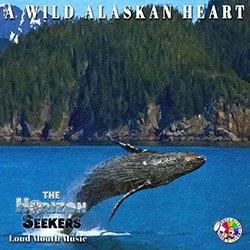
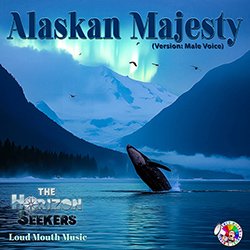
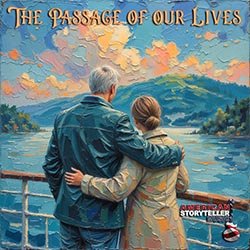

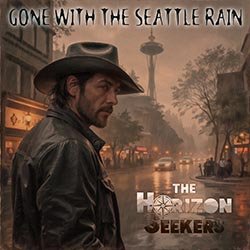
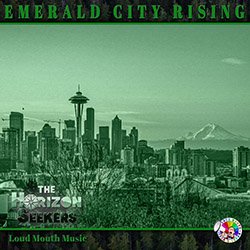
Songs Associated With Washington
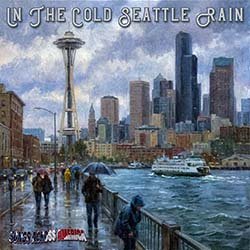

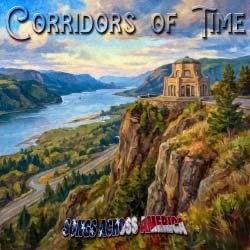
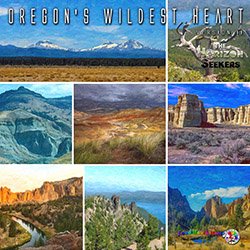
Songs Associated With Oregon


Songs Associated With Idaho

~ Production Companies ~





Seasonal Favorites: Our Featured Picks for Summer Season of 2026
 |
 |
 |
 |
 |
 |
.jpg) |
 |